Salmon farms in Norway and Chile require continuous monitoring of dissolved oxygen, temperature, salinity, pH and other critical parameters. A reliable online monitoring system helps operators detect water-quality changes, manage aeration and reduce the risk of delayed responses.
Salmon Farming Markets in Norway and Chile
Norway and Chile are two of the world’s most important salmon-farming markets. Both countries operate large marine cage farms, but differences in geography, climate and environmental risks influence how monitoring systems should be designed.
Norway
Norway exported approximately 1.26 million tonnes of salmon worth NOK 122.9 billion in 2024. Salmon represented 70% of the country’s total seafood export value, demonstrating the commercial importance of maintaining stable production and fish welfare. The Norwegian Seafood Council also reported that higher seawater temperatures created biological challenges for producers during 2024.
Norwegian salmon farms are commonly located in fjords and coastal waters. Conditions may vary significantly with:
- Season and latitude;
- Water depth and tidal movement;
- Seawater temperature;
- Salinity stratification;
- Water-current direction;
- Farm biomass;
- Plankton and jellyfish events.
The Norwegian Veterinary Institute reported that environmental conditions accounted for 8.8% of registered salmon mortality classifications in its 2024 dataset, compared with 0.2–2.7% during the previous three years. Toxic jellyfish were responsible for approximately 75% of the registered deaths within that environmental category.
These findings increase the value of continuous water-quality and plankton-risk monitoring rather than relying only on periodic manual sampling.
Chile
Sernapesca reported that Chile harvested approximately 1.46 million tonnes of aquaculture products in 2024. A separate preliminary enforcement report stated that salmonids represented 70.5% of Chilean aquaculture harvests. Taken together, these figures imply a salmonid harvest of approximately 1.03 million tonnes.
Marine salmon farming is concentrated mainly in:
- Los Lagos;
- Aysén;
- Magallanes.
Sernapesca recorded a maximum of 357 active marine salmon-farming sites in August 2024. Its health report collected marine production information from farms in Los Lagos, Aysén and Magallanes.
Chile’s southern fjords provide suitable conditions for salmon farming, but farms may also face:
- Harmful algal blooms;
- Rapid changes in dissolved oxygen;
- Strong variations in salinity and temperature;
- Remote installation locations;
- Biological fouling;
- Limited communication and power infrastructure.
For example, Sernapesca reported a harmful algal bloom involving Heterosigma akashiwo in the Los Lagos Region. Six of 14 operating farms activated algal-bloom response plans, and two activated mass-mortality procedures.
Major Water Quality Risks in Marine Salmon Cages
Marine salmon cages are directly exposed to changing seawater conditions. Unlike land-based systems, operators cannot fully control water exchange, temperature or incoming biological hazards. Continuous monitoring is therefore necessary to detect changes across different cages and water depths.

Low and Uneven Dissolved Oxygen
Dissolved oxygen can fall because of high fish biomass, weak currents, elevated water temperatures, algal activity or poor cage flushing. Oxygen levels may also differ significantly between the surface and deeper parts of the cage, meaning that one fixed sensor may not represent the conditions experienced by all fish.
Low oxygen can affect respiration, feeding behaviour, growth and fish welfare. Farms should therefore monitor both oxygen concentration and saturation at representative depths, particularly near the main fish biomass.
Rapid Temperature Changes
Water temperature influences salmon metabolism, oxygen demand and swimming depth. As temperature rises, fish may require more oxygen while the amount of oxygen that seawater can hold decreases.
The Norwegian Institute of Marine Research treats oxygen, temperature and salinity as key environmental welfare indicators for salmon held in sea cages. Temperature should therefore be evaluated together with dissolved oxygen rather than as an isolated measurement.
Salinity Stratification
Rainfall, freshwater runoff and tidal circulation can create water layers with different salinity levels. These layers may influence water density, oxygen distribution and the depth preferred by salmon.
A surface measurement alone may not identify a low-salinity layer or changes occurring deeper in the cage. Multi-depth salinity and temperature monitoring helps operators understand the water masses to which fish are actually exposed.
Harmful Algal Blooms
Harmful algal blooms can reduce dissolved oxygen, damage fish gills and cause rapid mortality events. Chilean regulator Sernapesca has documented salmon-farming incidents involving Heterosigma akashiwo, which can consume dissolved oxygen and cause suffocation, gill damage and oxidative stress.
Useful early-warning parameters include:
- Chlorophyll-a;
- Turbidity;
- Dissolved oxygen;
- Temperature;
- Salinity;
- Rate of change in sensor readings.
Chlorophyll and turbidity sensors can indicate abnormal biological activity, but they cannot independently identify a harmful algal species. Laboratory or microscopic analysis may still be required.
Weak or Excessive Water Currents
Weak currents can reduce water exchange and oxygen delivery inside the cage. Excessively strong currents may increase swimming effort and push fish toward cage walls.
Current measurements should therefore be combined with dissolved oxygen and fish-behaviour data when assessing cage conditions. The acceptable current range depends on fish size, temperature, oxygen level, stocking density and cage design.
Sensor Biofouling and Data Drift
Marine sensors are exposed to algae, microorganisms and other biological material. Biofouling can cover optical windows, slow sensor response and cause inaccurate or unstable readings.
Automatic cleaning, antifouling protection, regular inspection and reference checks are therefore important for long-term monitoring. Poor-quality sensor data may generate false alarms or prevent operators from recognising a genuine water-quality event.
Online Water Quality Monitoring and AI-Assisted Salmon Farming in Norway and Chile
Salmon farms in Norway and Chile are increasingly combining online water quality monitoring with automated data collection and AI-assisted decision tools.
By integrating data from dissolved oxygen, temperature, salinity, turbidity, feeding systems, underwater cameras and equipment status, digital aquaculture platforms can help operators identify abnormal trends, improve feeding decisions and respond more quickly to environmental changes. Machine-learning tools may also support water quality forecasting, fish behaviour analysis and preventive equipment maintenance.
However, improvements in feed conversion, mortality, production efficiency and profitability vary between farms. Actual results depend on fish species, stocking density, environmental conditions, sensor coverage, data quality and management practices.
A reliable sensor network remains the foundation of digital salmon farming. Standalone instruments can measure individual parameters, but integrated monitoring systems provide broader data coverage, trend analysis, remote alarms and decision support for large-scale aquaculture operations.
Key Water Quality Parameters for Salmon Farming
| Parameter | Why It Matters | Recommended Applications |
| Dissolved oxygen | Supports respiration, feeding and fish welfare | Sea cages, hatcheries and RAS |
| Temperature | Influences metabolism, oxygen demand and sensor compensation | All production stages |
| Salinity/conductivity | Indicates freshwater intrusion, stratification and marine conditions | Sea cages and brackish-water systems |
| pH | Supports biological stability and process control | Hatcheries and RAS |
| Turbidity | Indicates suspended particles, plankton or disturbed sediment | Coastal farms, intake water and RAS |
| Chlorophyll-a | Provides an indicator of changing algal biomass | Marine farms and early-warning stations |
| Water current | Influences cage flushing and oxygen delivery | Marine cage farms |
| Ammonia | Indicates metabolic loading and biofilter performance | Primarily RAS and hatcheries |
| Nitrite and nitrate | Supports nitrification and biofilter assessment | RAS |
| ORP | Helps evaluate oxidation conditions and treatment processes | RAS and ozone-assisted systems |
| Carbon dioxide | High concentrations can affect fish respiration | Intensive RAS |
Not every farm requires every parameter. The final configuration should be selected according to production stage, farm location, biomass, water depth, environmental history and operational risk.
APURE Water Quality Monitoring Solutions for Norwegian Salmon Farming
Norwegian salmon farms operate in cold, saline and highly dynamic marine environments. Water quality monitoring systems must therefore provide reliable measurements, withstand long-term seawater exposure and support remote data transmission across geographically dispersed farming sites.
APURE’s proposed solution covers both offshore salmon cages and land-based recirculating aquaculture systems (RAS). The system can be configured around the farm’s monitoring parameters, cage layout, communication conditions and existing control platform.
Online Monitoring System for Offshore Salmon Cages
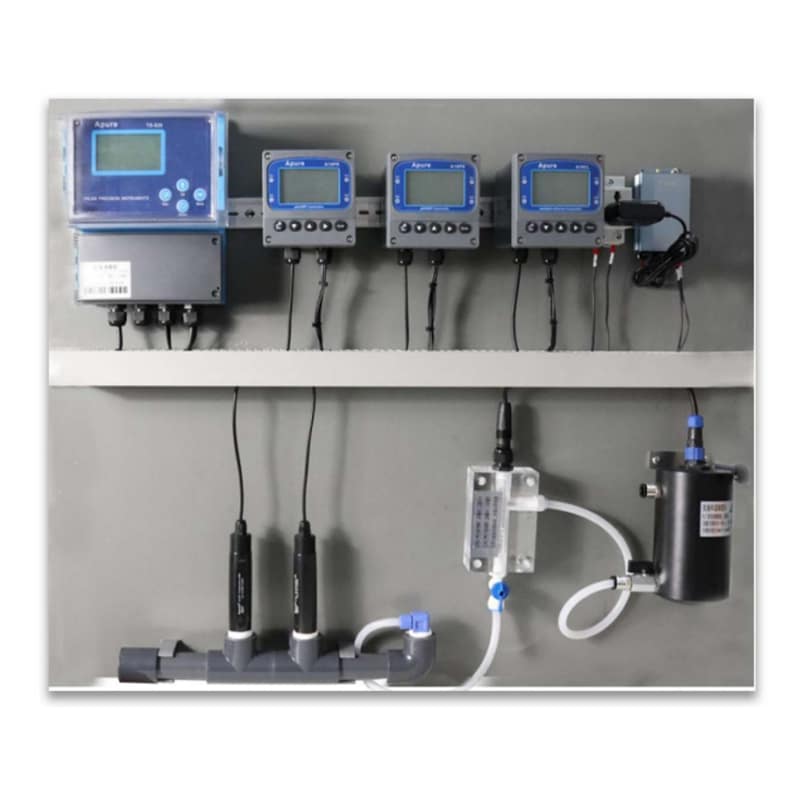
For offshore salmon farming, APURE recommends an integrated architecture that connects field sensors with remote data management:
The APURE system is designed to provide the sensing and data-acquisition foundation. Through standard communication protocols or data interfaces, monitoring data can also be shared with third-party feeding systems, farm-management platforms or digital decision-support tools.
This allows operators to combine water quality information with feeding records, fish behaviour, biomass estimates and equipment status without depending on isolated instruments.
Recommended product configuration
| APURE product or module | Main function |
| APURE online multiparameter analyzer | Central monitoring and data collection |
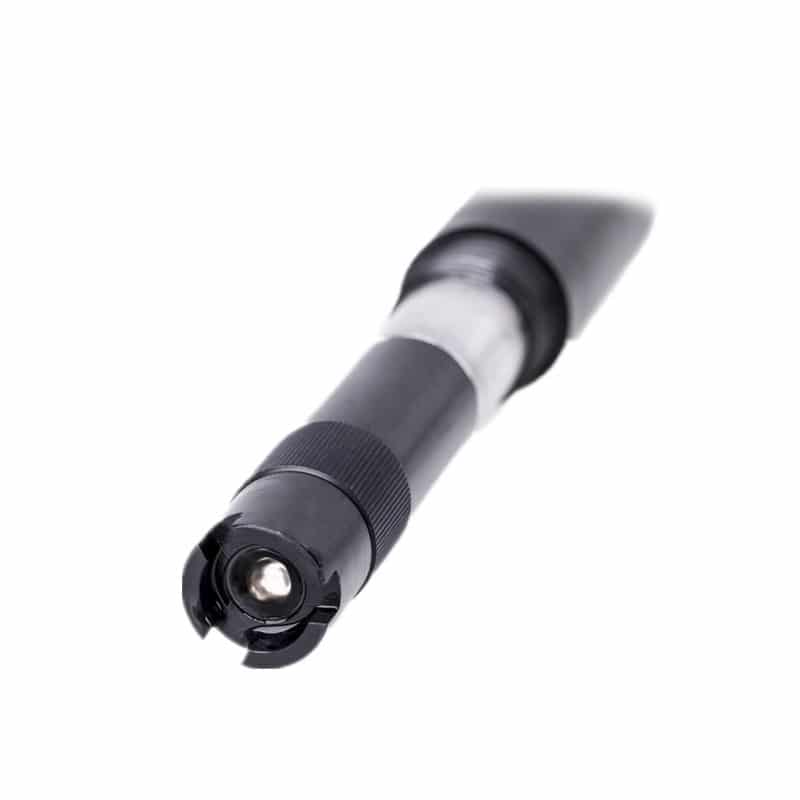
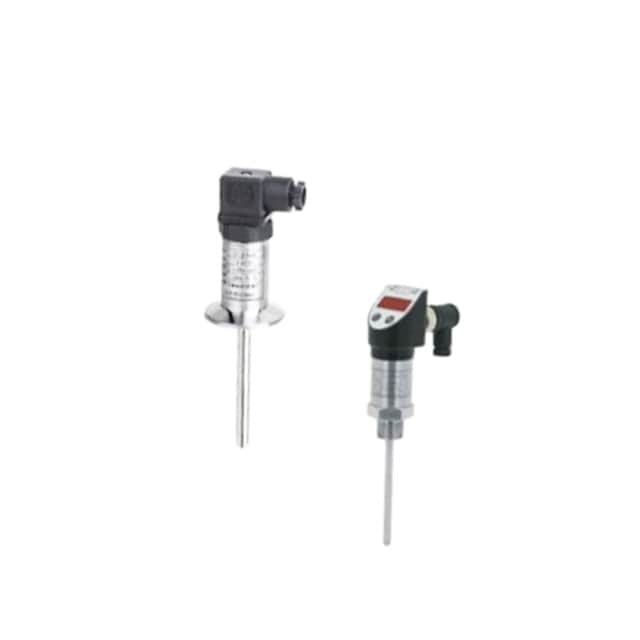
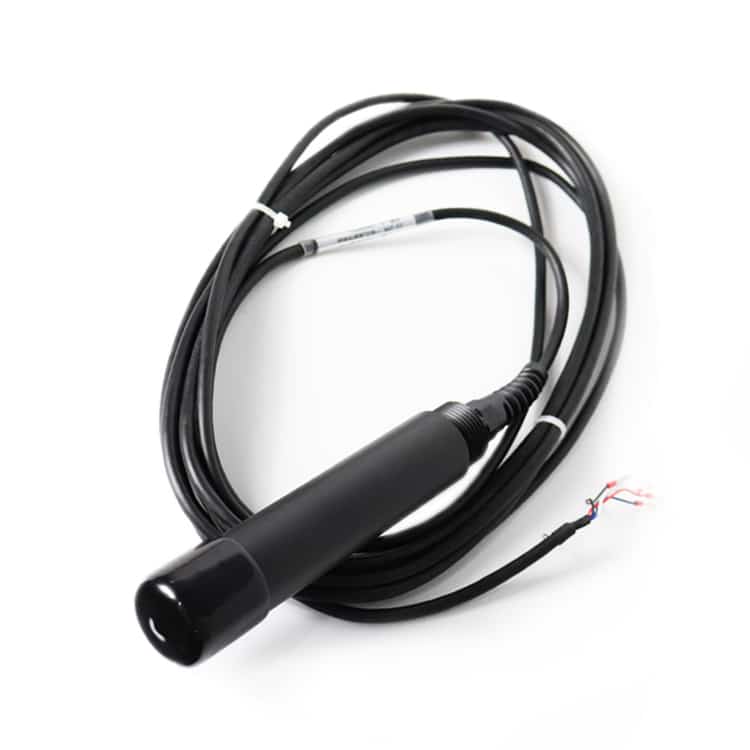
| APURE optical dissolved oxygen sensor | Continuous dissolved oxygen measurement |
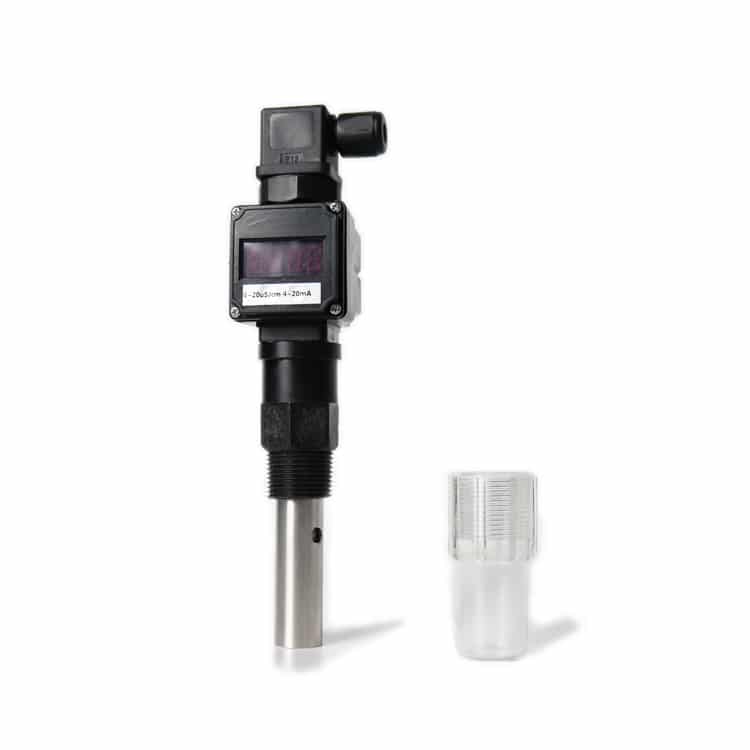
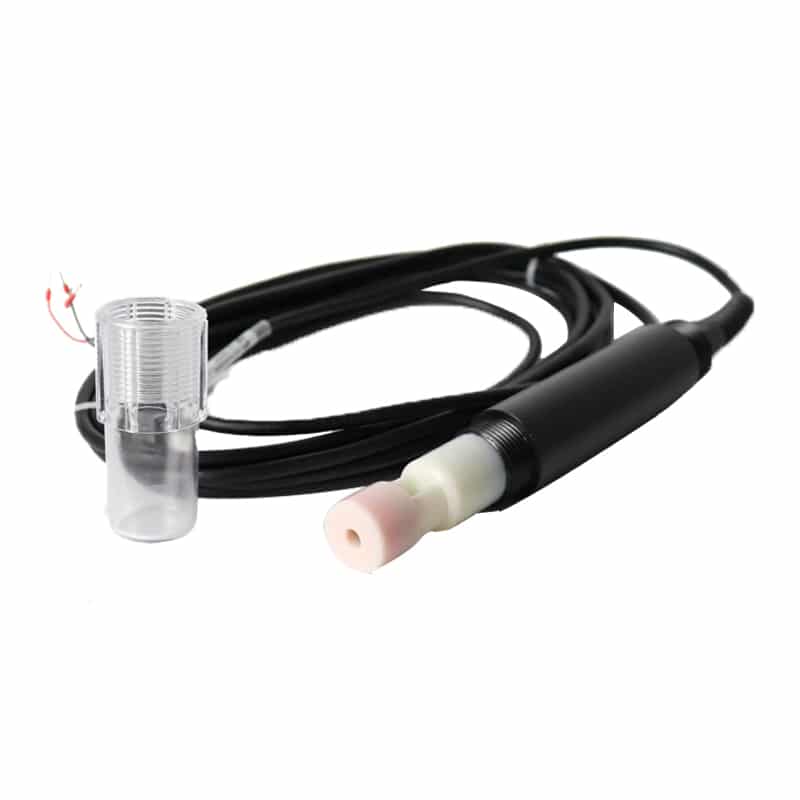
| APURE conductivity/salinity sensor | Seawater conductivity and salinity monitoring |
| APURE temperature sensor | Water temperature and thermal-layer analysis |
| APURE turbidity sensor | Suspended particles and abnormal water-condition detection |
| Current monitoring device | Assessment of cage flushing and water exchange |
| Automatic cleaning system | Reduction of marine biofouling on sensing surfaces |
| IoT RTU module | Remote transmission and local data storage |
Core Technical Requirements
- Offshore structural design
- Digital smart probe
Land-Based RAS Monitoring Solution
A typical APURE RAS monitoring configuration may include:
| Core parameter | Recommended monitoring equipment |
| Carbon dioxide | Online CO₂ monitoring device |
| Ammonium nitrogen | APURE NH₄-N digital sensor or analyzer |
| Nitrite/nitrate | APURE NO₂/NO₃ monitoring sensor |
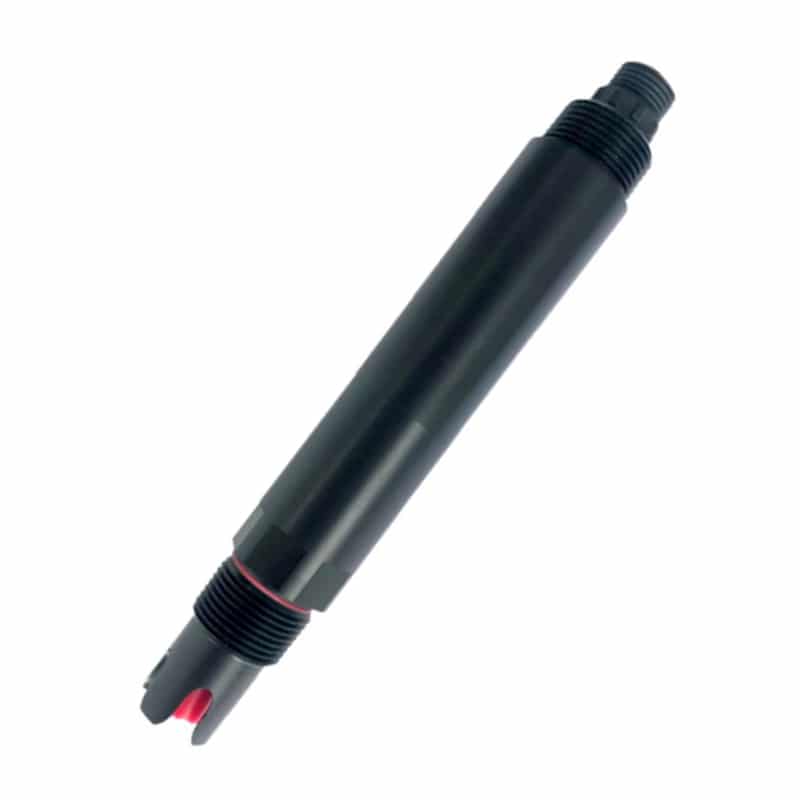
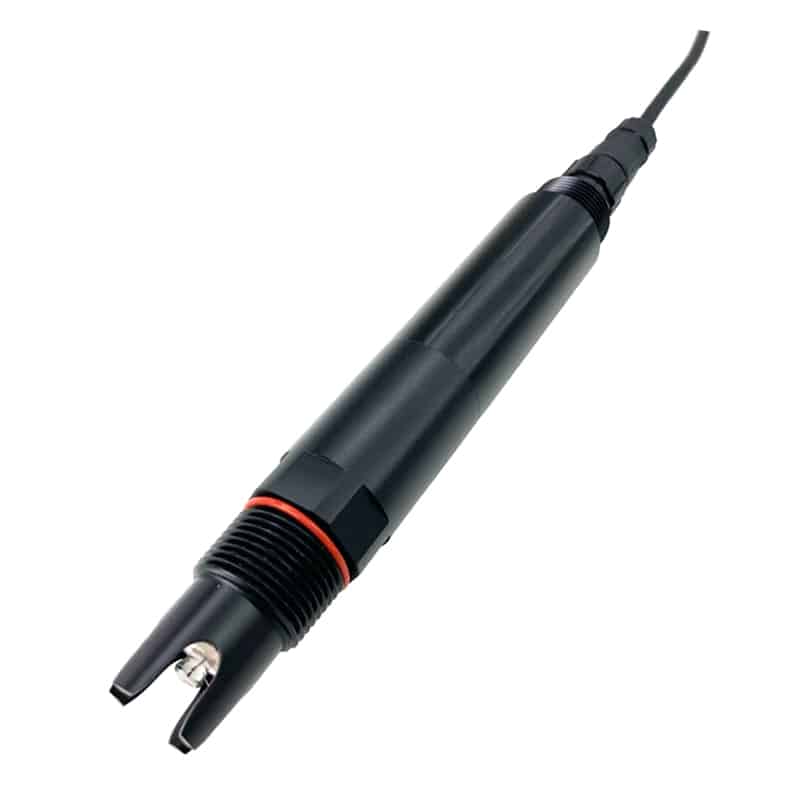
| pH | APURE digital pH sensor |
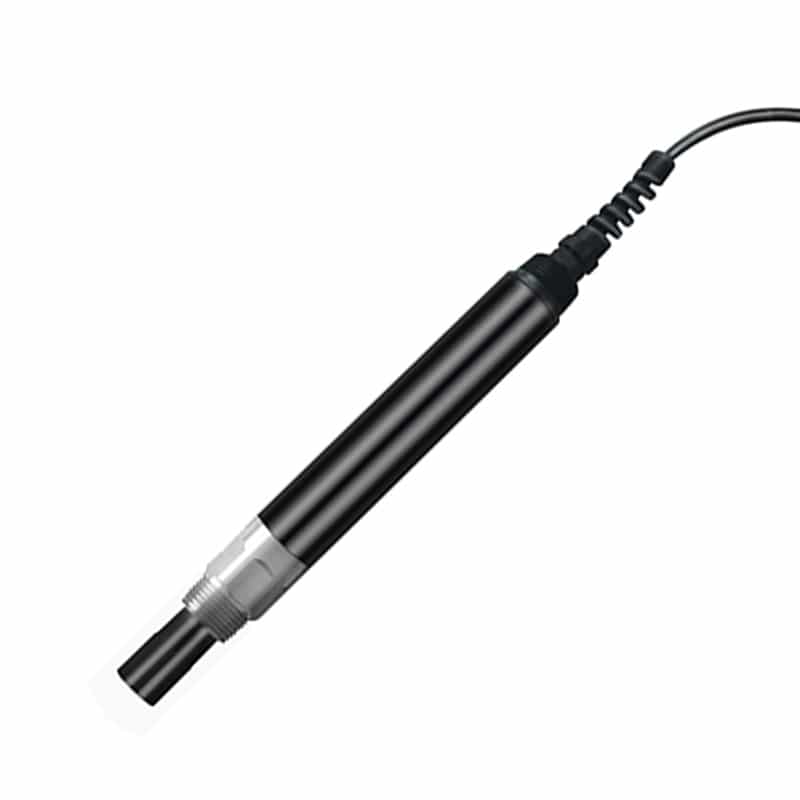
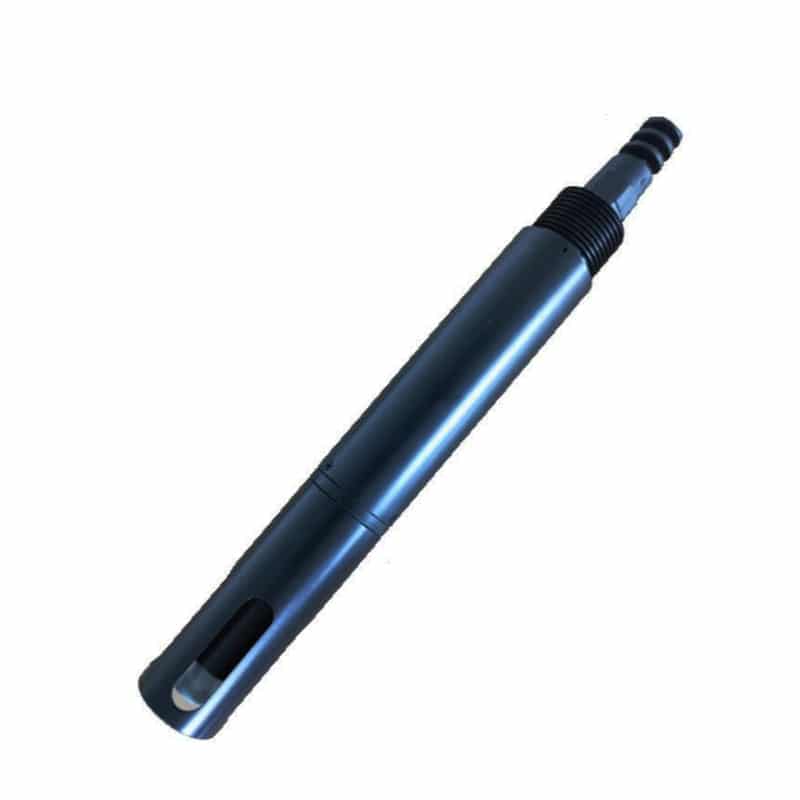
| Dissolved oxygen | APURE optical DO sensor |
| ORP | APURE digital ORP sensor |
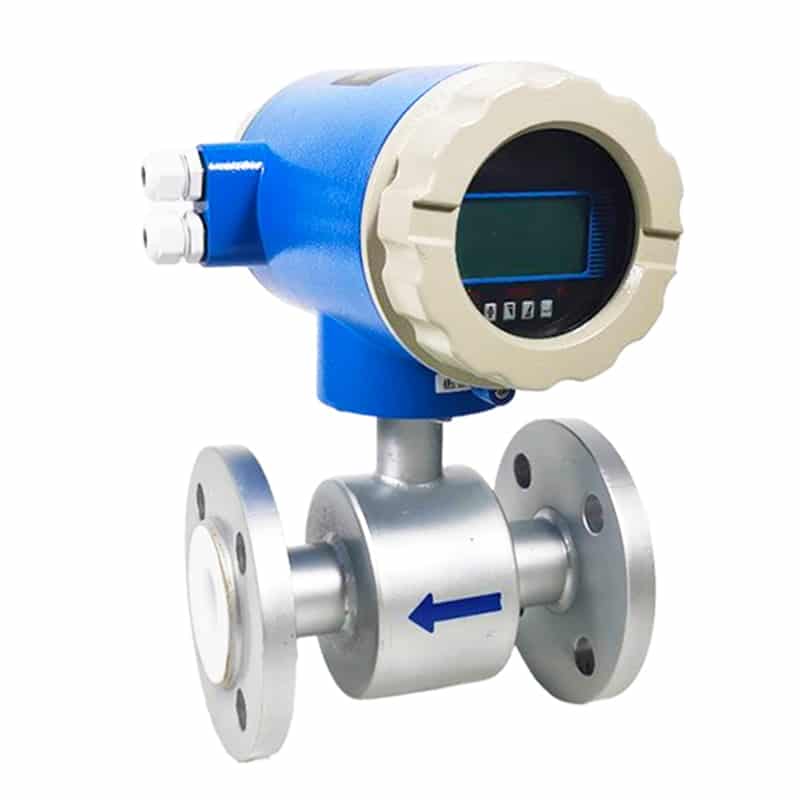
| Flow | APURE electromagnetic flow meter |
APURE Water Quality Monitoring and HAB Early-Warning Solution for Chilean Salmon Farming
Salmon farms in southern Chile are widely distributed, and some sites are difficult to access. They may also be affected by harmful algal blooms, declining dissolved oxygen, salinity fluctuations and marine biofouling.
A monitoring system designed for the Chilean market should therefore provide more than multiparameter measurement. It should also support remote communication, independent power supply, long-term operation and reduced maintenance requirements.
APURE can configure online water quality monitoring and harmful algal bloom early-warning solutions for marine salmon cages according to the farm location, number of cages, target parameters and communication conditions.
Harmful Algal Bloom Early-Warning System
Some coastal aquaculture areas in Chile are exposed to harmful algal bloom risks. Rapid changes in algal biomass may be accompanied by declining dissolved oxygen, increasing turbidity and fish-gill damage. Manual inspections alone may therefore be insufficient for detecting changes in time.
The system continuously collects chlorophyll, dissolved oxygen, temperature, salinity and turbidity data. The cloud platform displays real-time readings, historical trends and rates of change. When monitored values meet project-specific warning conditions, the system can send remote alerts to farm operators.
Chlorophyll and optical algae sensors are mainly used to detect abnormal changes in algal biomass. They normally cannot identify a specific harmful algal species independently. When abnormal conditions are detected, microscopy, field sampling, laboratory analysis or information from local monitoring authorities should also be considered.
Recommended Product Configuration
| APURE product or system | Main function |
| APURE chlorophyll sensor | Monitors chlorophyll changes and supports algal-biomass trend analysis |
| APURE optical algae sensor | Supports detection of abnormal algal activity according to the selected fluorescence channel |
| APURE optical dissolved oxygen sensor | Monitors low-oxygen risks and dissolved oxygen trends |
| APURE turbidity sensor | Detects suspended particles and abnormal water changes |
| APURE conductivity/salinity sensor | Monitors seawater salinity and water-layer changes |
| APURE temperature sensor | Monitors water temperature and thermal stratification |
| APURE marine buoy monitoring station | Provides an offshore platform for installation, power supply and data acquisition |
| IoT telemetry module | Supports local data collection and remote transmission |
| Satellite communication module | Provides connectivity for remote areas without cellular coverage |
| Solar power system | Supports long-term and relatively independent offshore operation |
The final configuration should not be fixed for every farm. Sensor type, quantity and monitoring depth should be selected according to historical HAB risks, cage layout, stocking density, current conditions and maintenance frequency.
Core Technical Requirements
- Exceptional resistance to biofouling
- Unmanned remote monitoring
Summary
Water quality monitoring is essential for salmon farming in Norway and Chile, where marine cages face changing dissolved oxygen, temperature, salinity, water currents and harmful algal bloom risks. A reliable monitoring system should combine multiparameter sensors, multi-depth deployment, automatic cleaning, remote communication and cloud-based alarms. Norway requires stable performance in cold marine environments, while Chile places greater emphasis on HAB early warning, autonomous power and remote monitoring for isolated farming areas.
By integrating dissolved oxygen, salinity, temperature, turbidity, chlorophyll and other sensors with marine buoys, IoT communication and cloud-based monitoring, APURE helps aquaculture operators detect environmental changes earlier and manage offshore cages more efficiently. Contact APURE to configure a monitoring solution for your farm location, target parameters and communication conditions.
FAQ
References
- Norwegian Seafood Council. 2024 Was the Best Year Ever for Norwegian Seafood Exports.
- Servicio Nacional de Pesca y Acuicultura. 2024 Fisheries and Aquaculture Harvest Statistics.
- Sernapesca. Informe Situación Sanitaria Salmonicultura Año 2024.
- Norwegian Veterinary Institute. Norwegian Fish Health Report 2024.
- Norwegian Institute of Marine Research. Laksvel—Operational Welfare Indicators for Salmon Grow-Out Facilities.
- Berntsson et al. Modelling Cage-Level Dissolved Oxygen Variation Within Salmon Farms.
- Sernapesca. Harmful Algal Bloom Surveillance in Salmon Farming Area 17B.

Posted by Apure on July 31, 2026
Apure is a professional manufacturer of water quality monitoring instruments and sensors. We provide reliable solutions for pH, ORP, conductivity, dissolved oxygen, turbidity, chlorine, and multiparameter water quality analysis applications.
CONTACT US