
Introduction
Effective water environment management requires accurate, continuous, and real-time information. However, traditional water quality monitoring methods based on manual sampling and laboratory testing often struggle to capture rapid changes caused by rainfall runoff, wastewater discharge, and seasonal environmental variations.
To support modern ecological protection and smart water management, APURE developed an intelligent online water quality monitoring solution integrating multi-parameter sensors, wireless communication, and cloud-based data management.
This solution was successfully applied in the water environment monitoring project of Mianyang, Sichuan, helping improve pollution source identification, operational efficiency, and long-term watershed management.
Project Background
Mianyang’s “Three Rivers, Two Lakes, and One Creek” water system — including Fu River, Anchang River, Furong Creek, Xianhai Lake, Sanjiang Lake, and Caoxi River — is a key component of the city’s ecological development initiative.

The watershed covers more than 120 kilometers of rivers and plays an important role in regional environmental protection.
However, traditional monitoring methods faced several challenges
- Delayed Water Quality Data
Traditional manual sampling and laboratory analysis typically require 24–48 hours to complete a single testing cycle, making it difficult to capture rapid water quality changes caused by rainfall runoff, riverside wastewater discharge, and unexpected pollution events. Without real-time monitoring data, environmental management teams cannot identify potential pollution risks promptly or accurately trace pollution sources, which limits the efficiency and precision of water environment management.
- Limited Monitoring Parameters and Coverage
Due to the large monitoring area and complex watershed environment, traditional monitoring stations were limited in number and typically focused on only a few parameters, such as COD and ammonia nitrogen. However, comprehensive water quality assessment requires continuous monitoring of multiple indicators, including dissolved oxygen, total phosphorus, total nitrogen, turbidity, organic pollutants, and nutrient levels. The insufficient monitoring coverage and limited parameters made it difficult to fully understand the overall ecological condition of the watershed and implement precise water management strategies.
- Fragmented Data Management
Data collected from different monitoring locations was often fragmented and lacked centralized management, making it difficult to analyze overall water quality trends, compare conditions between monitoring points, and optimize environmental management strategies. The absence of an integrated data platform also limited the ability to quickly identify pollution sources and respond effectively to water quality changes, reducing the efficiency of watershed management.
APURE Solution
To address these challenges, APURE provided a customized spectral multiparameter water quality monitoring solution, creating a smart management system based on:
Real-Time Monitoring + Data Integration + Intelligent Analysis
The complete solution included:
- Multiparameter water quality sensors
- Wireless data transmission
- Cloud monitoring platform
- Remote data visualization
- Automatic alarm management
Real-Time Monitoring of Multiple Water Quality Parameters
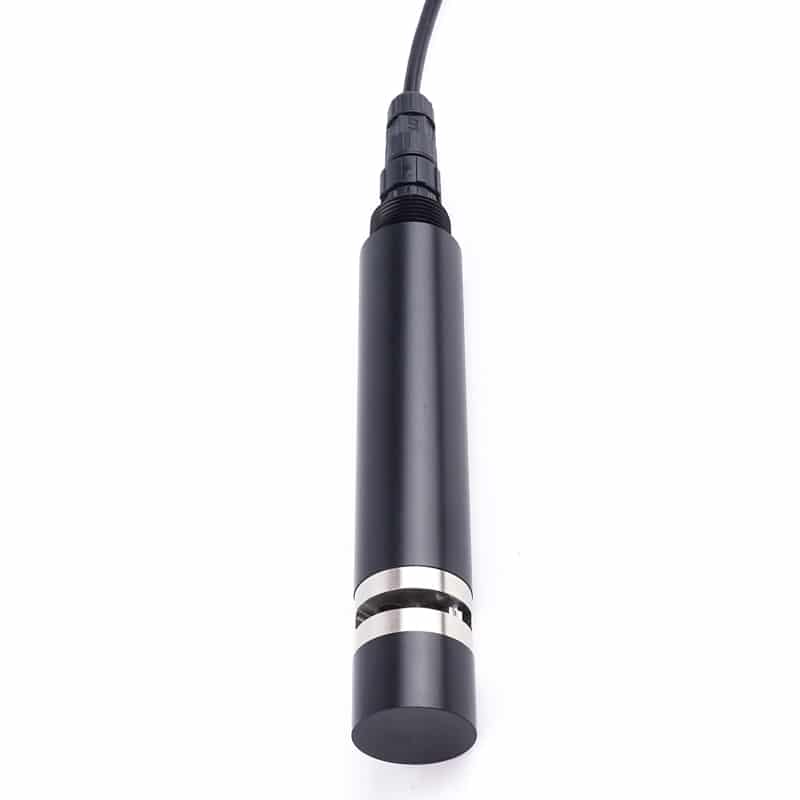
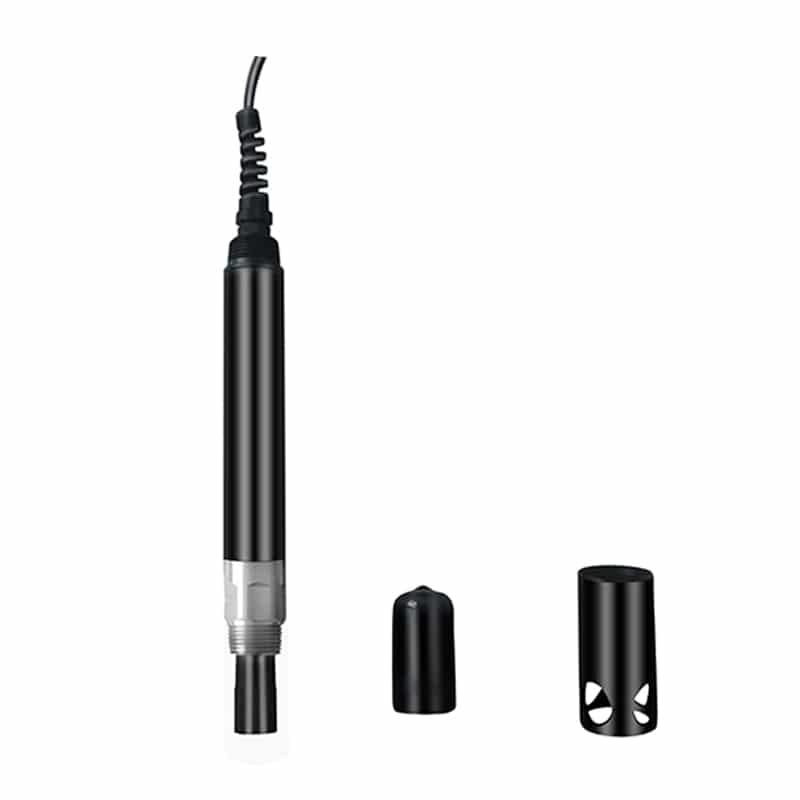
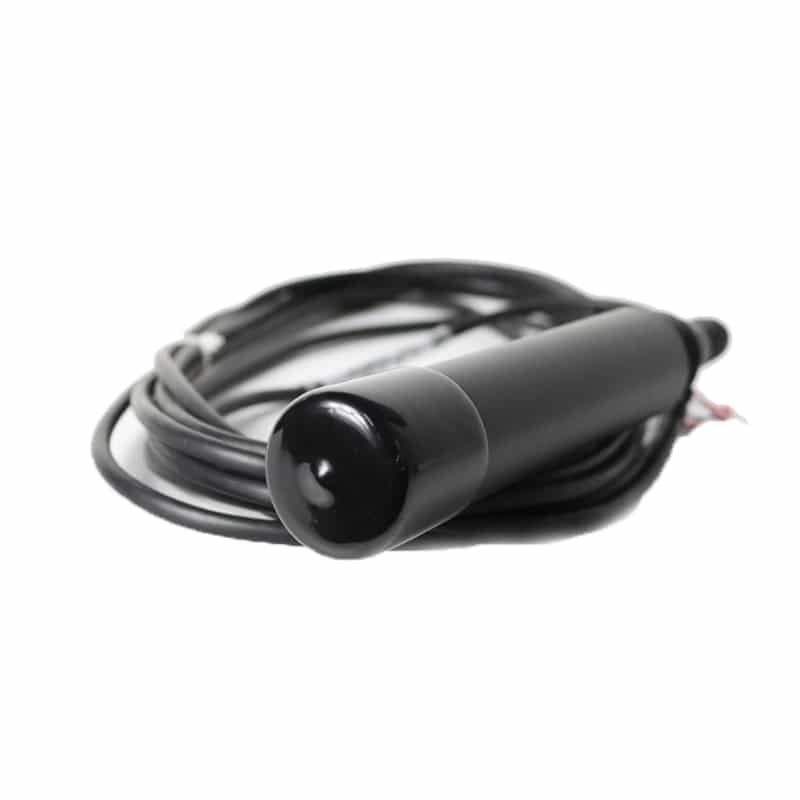
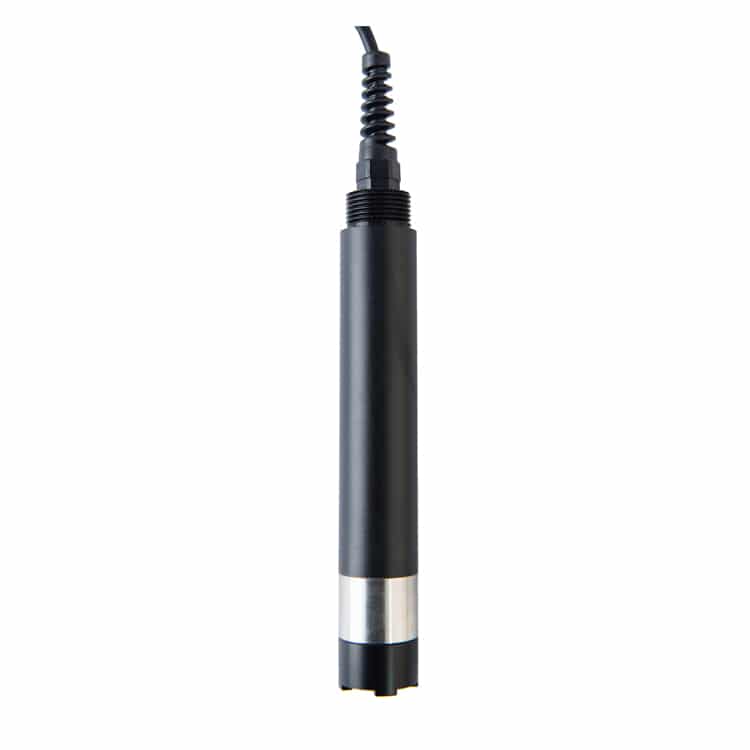
APURE spectral multiparameter sensors were installed at important monitoring locations, including:
- River sections near wastewater discharge points
- Lake and reservoir inflow areas
- Key ecological monitoring zones
The system simultaneously monitored 12 core water quality indicators, including:
This enabled continuous monitoring of water quality changes and provided a more complete understanding of watershed conditions.

Reliable Operation Under Complex Environmental Conditions
Outdoor water monitoring environments often involve challenges such as:
- Sediment accumulation
- Aquatic plant interference
- Biological growth
- Long-term immersion
To maintain stable measurement performance, APURE monitoring sensors adopted:
- Anti-biofouling coating technology
- Automatic cleaning functions
These features helped reduce measurement drift and extended maintenance intervals, allowing stable operation in complex river environments.
Cloud-Based Monitoring and Wireless Data Transmission
The collected water quality data was transmitted wirelessly through communication technologies such as:
- 4G
- LoRa
The cloud platform enabled users to:
- View real-time water quality status
- Analyze historical trends
- Monitor multiple locations remotely
- Receive abnormal condition alerts
When water quality indicators exceeded preset limits, the system automatically generated alarms and notified environmental management teams, helping them quickly investigate possible pollution sources.

Project Results
By implementing APURE’s intelligent water quality monitoring solution, the project achieved faster pollution source identification, improved monitoring efficiency, and reduced operational costs. Real-time data collection and cloud-based management enabled environmental teams to better understand water quality changes, make data-driven decisions, and improve the overall efficiency of watershed management.
Summary
As water environment management becomes increasingly digitalized, real-time monitoring technology plays a critical role in protecting rivers, lakes, and water resources.
Through the integration of advanced sensors, wireless communication, and cloud-based platforms, APURE enables organizations to move from traditional periodic testing toward intelligent, proactive water quality management.
APURE continues to provide reliable measurement solutions for environmental monitoring, helping customers worldwide build smarter and more sustainable water management systems. If you need anything, please contact us.