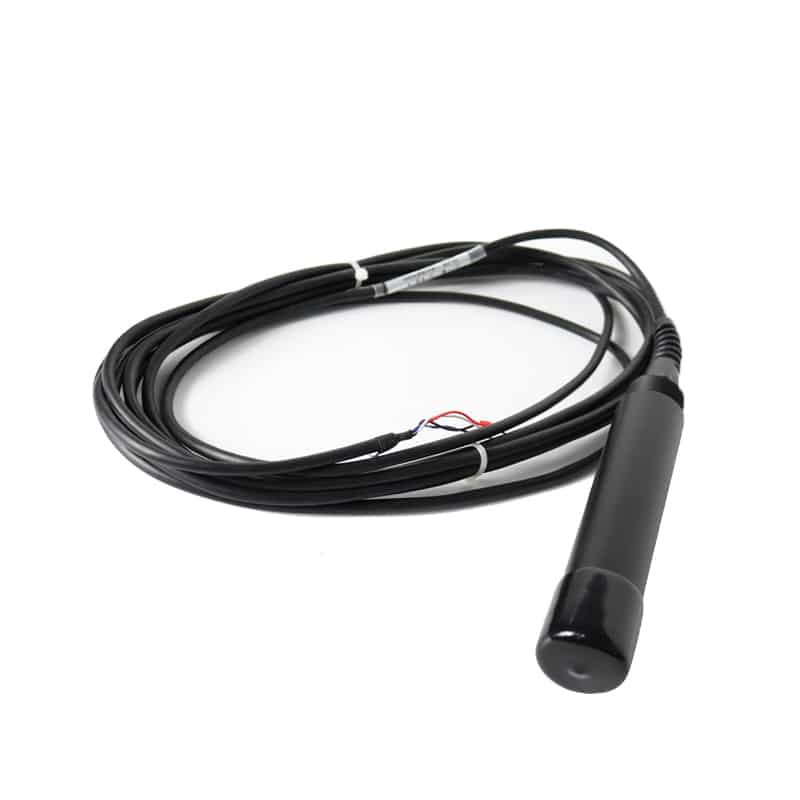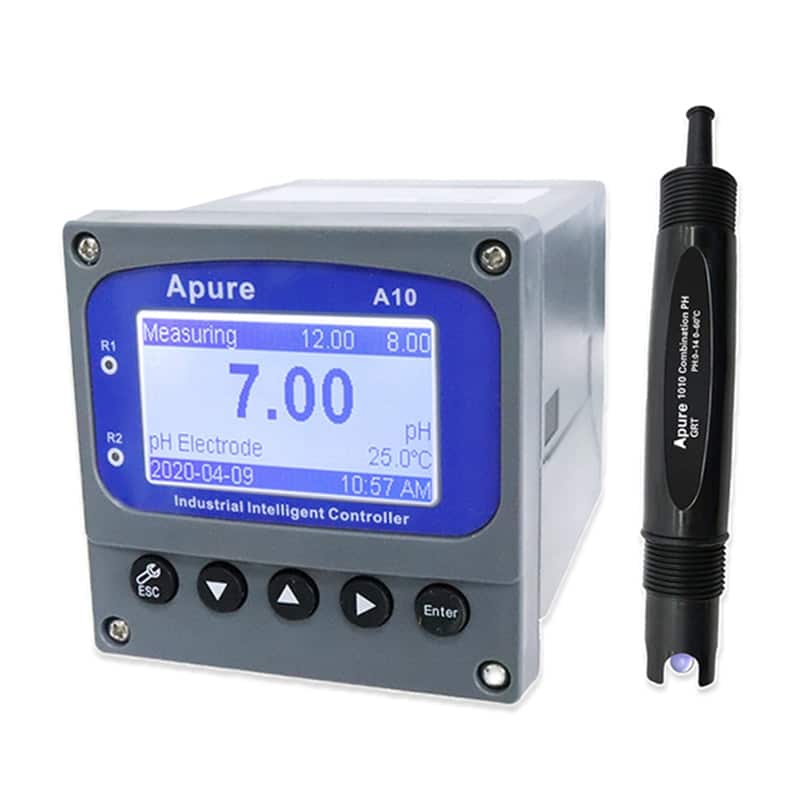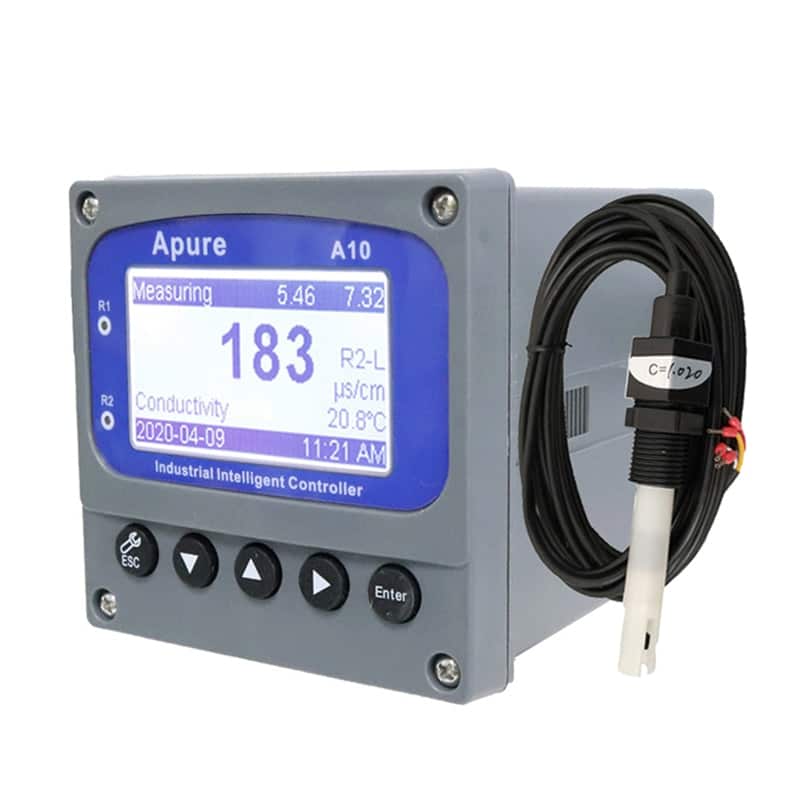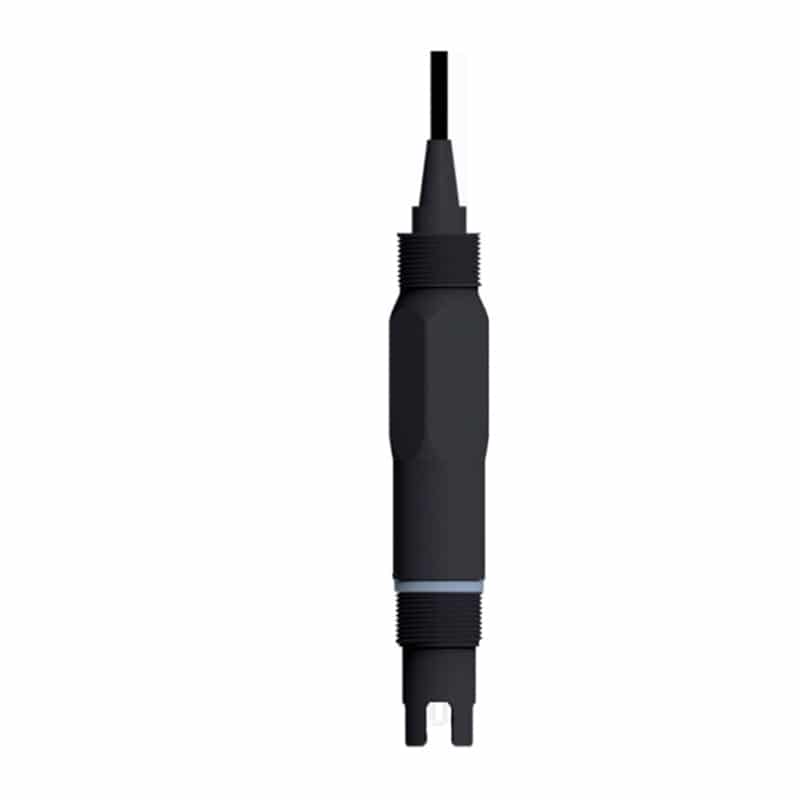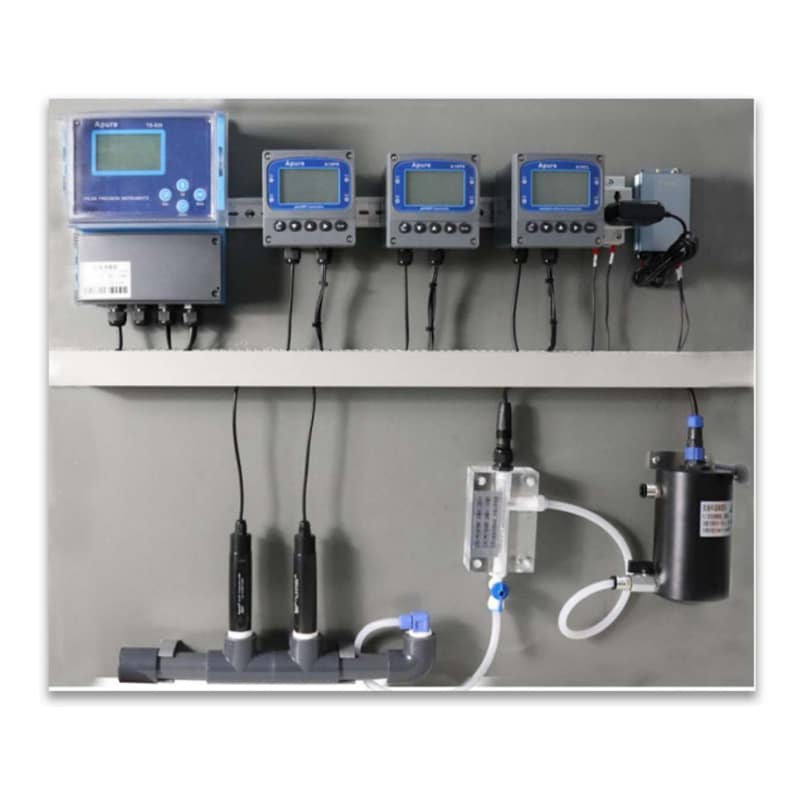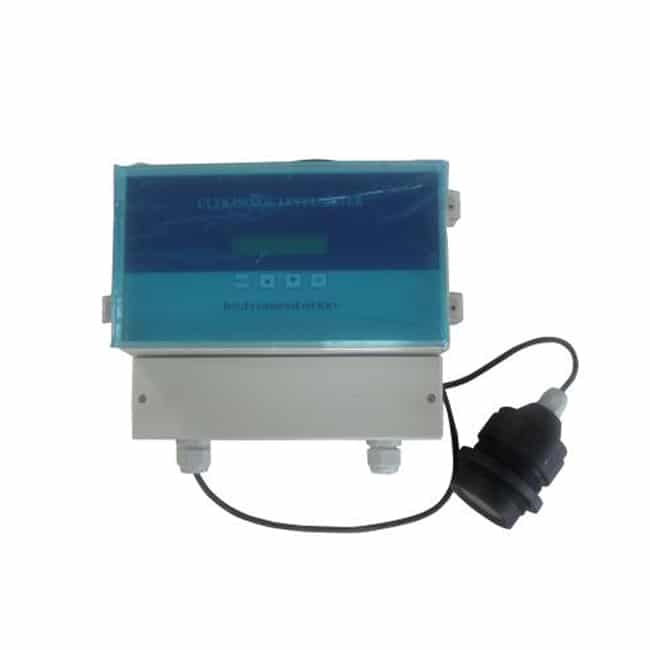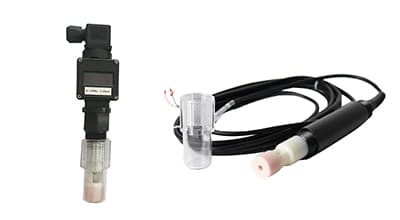
S-730 MLSS TSS Total Suspended Solids Meter


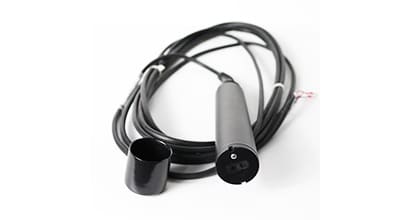
The Apure S-730 monitors suspended solids and mixed-liquor suspended solids with a compatible optical sensor. Use a site calibration checked against representative laboratory samples for the intended wastewater or sludge process.
- On-line monitoring
- Continuous measurement
- Automation
The S-730 is an online meter for a matched suspended-solids measurement system. In an optical configuration, the signal is related to suspended-solids concentration through calibration for the actual water or sludge matrix; particle properties and installation affect that relationship.
Build and verify the site calibration
- Collect representative samples at the probe location while recording the stable optical reading. Analyze the samples using an appropriate laboratory suspended-solids reference procedure.
- Use paired optical and reference results across the actual operating interval to check or adjust the calibration using the supplied controller procedure. Keep an independent verification sample.
- Recheck the relationship when sludge composition, particle size, colour or the installation changes. An optical concentration estimate must not be transferred unchanged between different water matrices.
- Use mg/L or g/L for mass concentration. NTU describes turbidity; there is no universal NTU-to-mg/L conversion. MLSS refers to suspended solids in the mixed liquor at the specified treatment-process location.
Install and check the optical measurement
- Place the sensor in representative water within the approved temperature and pressure limits. Avoid trapped bubbles, deposits, direct aeration plumes and unapproved reflections from nearby walls or the vessel bottom.
- Clean the optical window using the supplied procedure, check for scratches and fouling, and verify with the specified standards or reference samples after service.
- Record the sensor/controller identities, measurement method, unit, calibration reference, temperature and installation. A change in colour, particle properties or sampling location can change the optical response.
The TD-30 range below is the listed sensor option; confirm the actual supplied probe and working interval. Existing relay entries differ, so obtain the ordered controller’s terminal and output schedule. A housing protection rating or a bubble-control feature does not remove the need for correct installation and cleaning.
CHARACTERISTICS:
Optical suspended-solids estimates and turbidity are different measurements. A site-specific relationship may be developed from representative paired data, but there is no universal NTU-to-mg/L conversion. See the APURE Turbidity guide for the distinction and interpretation limits.
• Follow the supplied bubble-control arrangement; bubbles may still interfere with optical measurements
• Solids concentration: mg/L or g/L; NTU is a separate turbidity indication, not an interchangeable concentration unit
• 4-20mA or RS485 Modbus RTU
• 100-240VAC or 24VDC
• IP65 protection
• 4-Relay(high-low point trigger)
| Electrode measurement range | Resolution | Precision |
| TD-30: 0-30g/L | 1 mg/L | ±1%FS |
| Medium temperature: 0-60℃ | Environmental humidity: relative humidity is less than or equal to 85% |
| Size of instrument | Installation |
| 242mm*184mm*135mm(H*W*D) | wall |
Confirm the ordered sensor/controller pair and the actual relay/output schedule. The existing entries use different relay descriptions; the table has been retained as listed rather than choosing an unverified count.
| Brand | Apure |
|---|---|
| Model | S-730 |
| Precision | ±1%FS |
| Medium temperature | 0-60℃ |
| Electrode measurement range | TD-30: 0-30g/L |
| Resolution | 1 mg/L |
| Control interface | 4-Relay(high-low point trigger) |
| Environmental humidity | relative humidity is less than or equal to 85% |
| Signal isolation output | 1 set of 4-20 ma; 2 sets of alarm relays |
| Dimensions | 242×184×135mm |