
pH in a water test describes hydrogen-ion activity on a logarithmic scale. A calibrated glass-electrode system measures an electrical potential relative to a reference electrode and reports pH. The result supports acid-base, treatment, corrosion and ecological interpretation, but pH alone cannot establish complete water safety or identify a contaminant.
At a given temperature, pH values below, near or above neutrality describe acidic, neutral or basic conditions. Neutral pH is temperature-dependent; do not treat pH 7 as the universal neutral value under every condition.
pH is not alkalinity, hardness or total acidity. Alkalinity describes acid-neutralizing capacity under a defined method, while hardness mainly reflects calcium/magnesium under its method.
pH and drinking/source water
pH can affect treatment, corrosion, metal solubility, disinfectant chemistry and acceptability. Any published range must name the jurisdiction and purpose. A secondary/operational pH recommendation is not proof that water is microbiologically or chemically safe.
Evaluate pH with alkalinity, corrosion-control conditions, disinfectant-specific measurements, turbidity and the targeted chemical/microbiological methods required for the water and jurisdiction. Do not infer hardness from a high pH or lead safety from a pH result alone.
pH and groundwater
Groundwater pH reflects geology, dissolved inorganic carbon, redox/biological processes, contamination and sample handling. Low-ionic-strength groundwater can respond slowly, drift with flow and change after exposure to air and carbon dioxide.
Measure promptly with a suitable electrode/procedure, record temperature and conductivity, and avoid assigning one expected pH range to all aquifers. Investigate unusual values with alkalinity and targeted chemistry rather than assuming one cause.

pH in streams and lakes
Aquatic effects of pH depend on species, life stage, exposure duration, temperature and other water chemistry. Photosynthesis, respiration, geology, inflows and stratification can cause spatial and daily variation.
Do not present one “optimal” or lethal range for all aquatic organisms. Compare results with the applicable criterion for the protected use, organism/population, duration, jurisdiction and method. Measure at representative locations/times and include temperature, alkalinity, DO and targeted chemical/biological evidence.

Using a pH meter for water testing
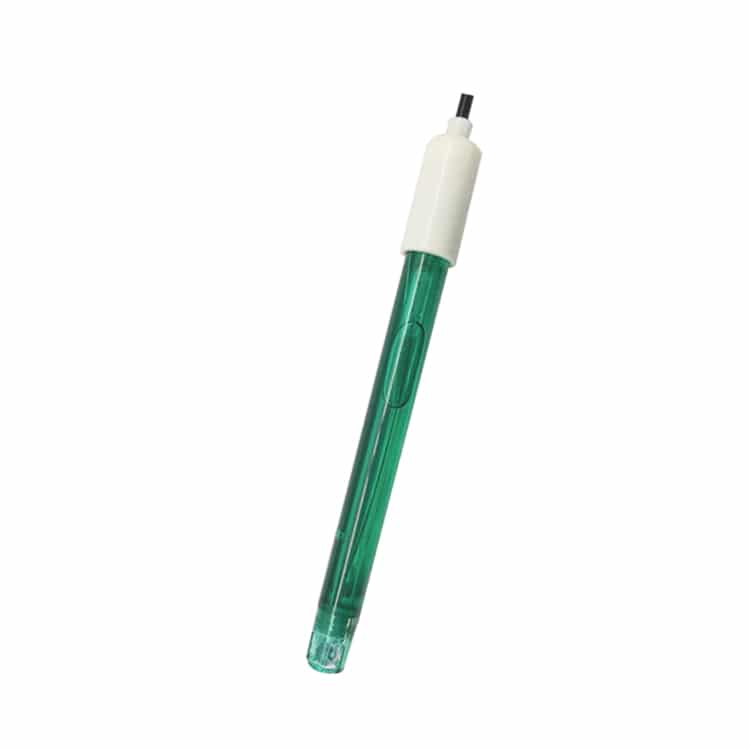
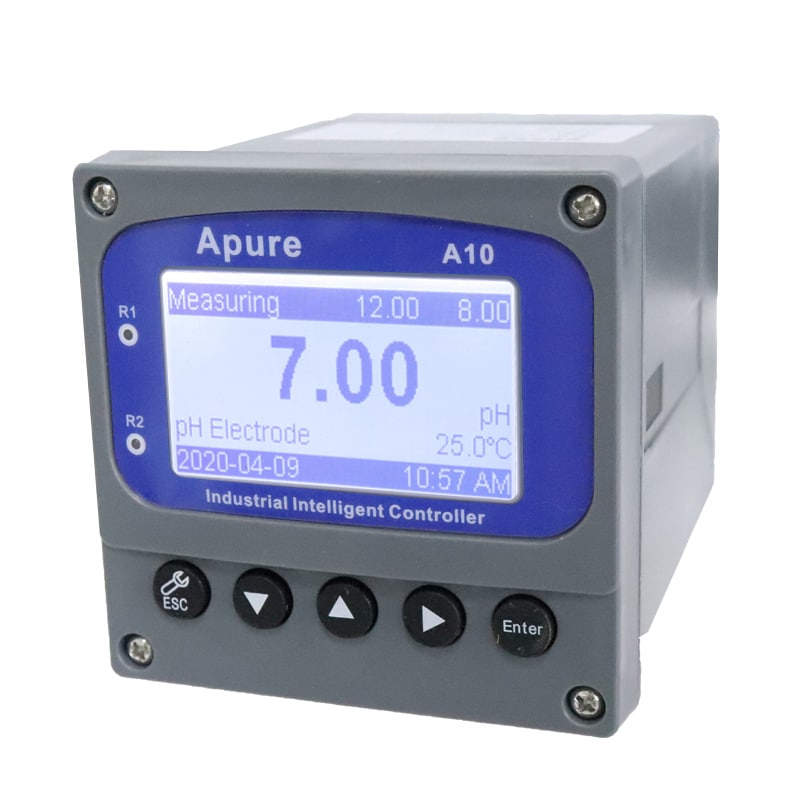
A pH meter measures the potential difference between a pH-sensitive measuring electrode and a reference electrode. Calibrate with the correct buffer family and temperature values, choose points that bracket the expected sample where the method permits, and review slope/offset against the actual method and model limits.
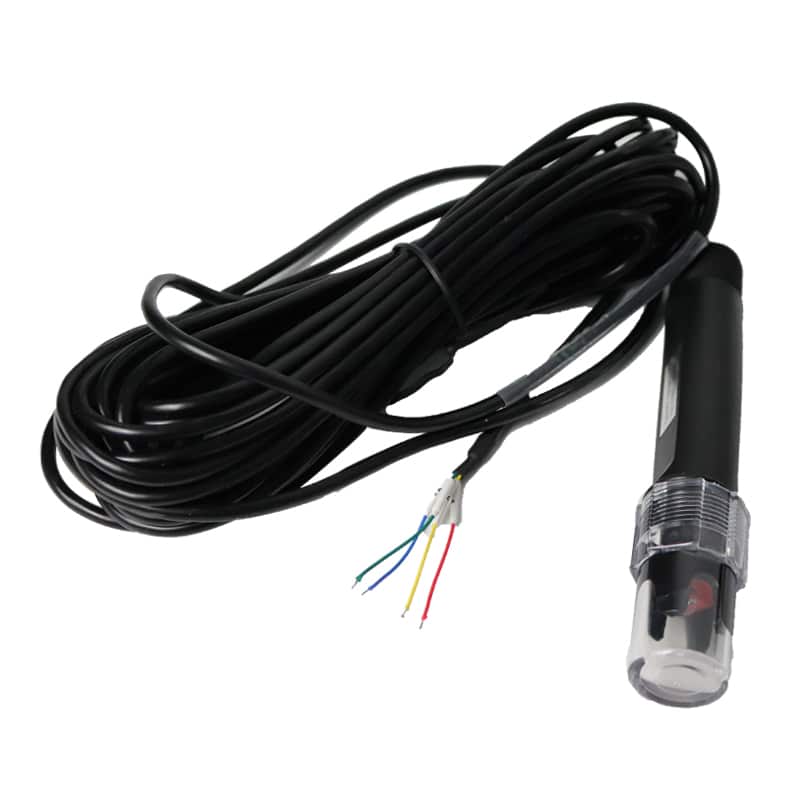
Sample location, timing, temperature, low ionic strength, junction condition, fouling, grounding and storage can affect the result. A portable/laboratory result and an online result should be compared on the same sample or a time/location-matched basis.
See pH Sensors: Working Principle, Selection and Calibration and the pH / ORP hub.
What a pH result does—and does not—mean
pH is an important measurement because it affects chemical equilibria, treatment and biological conditions. It is one part of a water-quality decision. It does not prove overall safety, compliance, buffering capacity or contaminant identity. State the sample, temperature, method, time/location and applicable comparison requirement with the result.
Does temperature compensation change the actual pH?
Automatic temperature compensation (ATC) adjusts the electrode response according to temperature. However, it does not convert the actual pH of a water sample to the value it would have at 25°C.
Because the chemical equilibrium of water changes with temperature, the actual pH of a sample may also change. Always consider sample temperature when interpreting pH measurements.
Technical references
- USGS — Measurement of pH
- EPA Method 150.2 — pH, Continuous Monitoring
- USGS — Alkalinity and Acid Neutralizing Capacity, National Field Manual Chapter A6.6
Read more about water quality:
What is residual chlorine?
What is ec meter?
What is salinity meter and how does it work?
Water Quality Sensors For Water Treatments