
In a complete water purification system, each step has a clear purpose: remove large solids, separate suspended particles, filter fine contaminants, disinfect microorganisms, stabilize pH, and monitor water quality before distribution. This article explains the 7 key steps of the water purification process and the equipment commonly used in each stage.
7 Steps to Water Purification and Available Equipment
The exact process may vary depending on source water quality and local standards, but a complete municipal or industrial water purification system often includes the following stages.
Coagulation & Flocculation
The first step in the purification process is coagulation, in which chemicals such as aluminum sulfate (alum) or ferric chloride are added to the water to cause fine suspended particles, bacteria, and organic matter in the water to clump together and form larger flocculent particles (floc, floc). This step helps remove suspended impurities from the water.
Available equipment:
- Automatic dosing systems (e.g. polymer preparation systems)
- Mixing agitators
- Flocculation tanks
Sedimentation
Once the water enters the settling tank, the heavier flocs settle to the bottom due to gravity, thus separating them from the clearer water. This process removes a large amount of solid contaminants and prepares the water for subsequent filtration steps.
Available equipment:
- Sedimentation tanks (advection, vertical flow, inclined tube sedimentation tanks)
- Slurry discharge systems
Filtration
The settled water passes through multiple layers of filtration media including sand, gravel and activated carbon layers. This process further removes smaller particles, bacteria and dissolved contaminants that were not previously removed. Activated carbon filtration also adsorbs harmful chemicals and improves the taste and odor of the water.
Available equipment:
- Multi-media filters (quartz sand, activated carbon, anthracite, etc.)
- Ultrafiltration (UF) systems
- Reverse osmosis (RO) systems
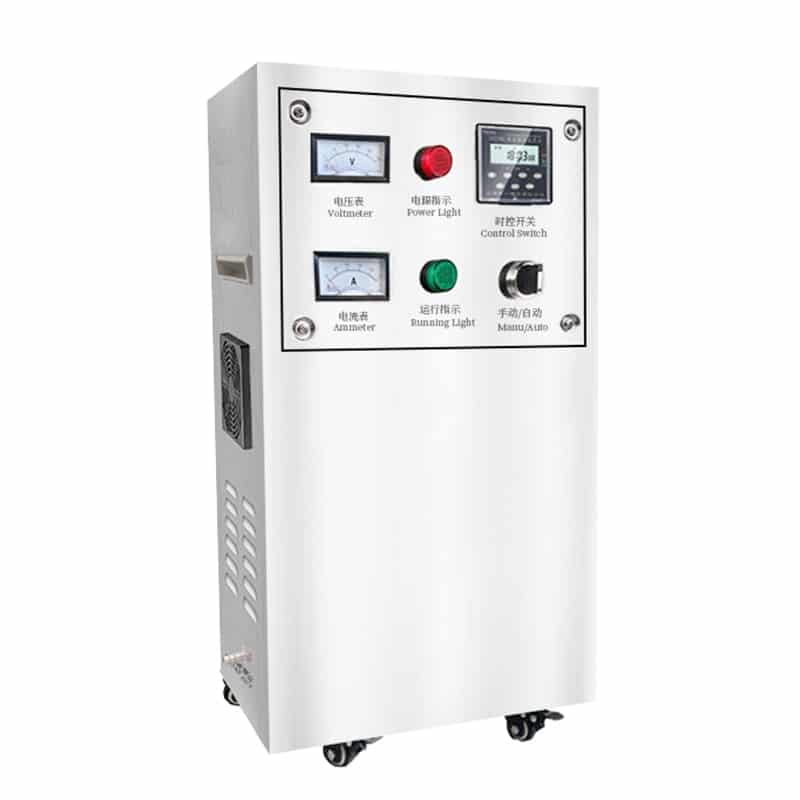
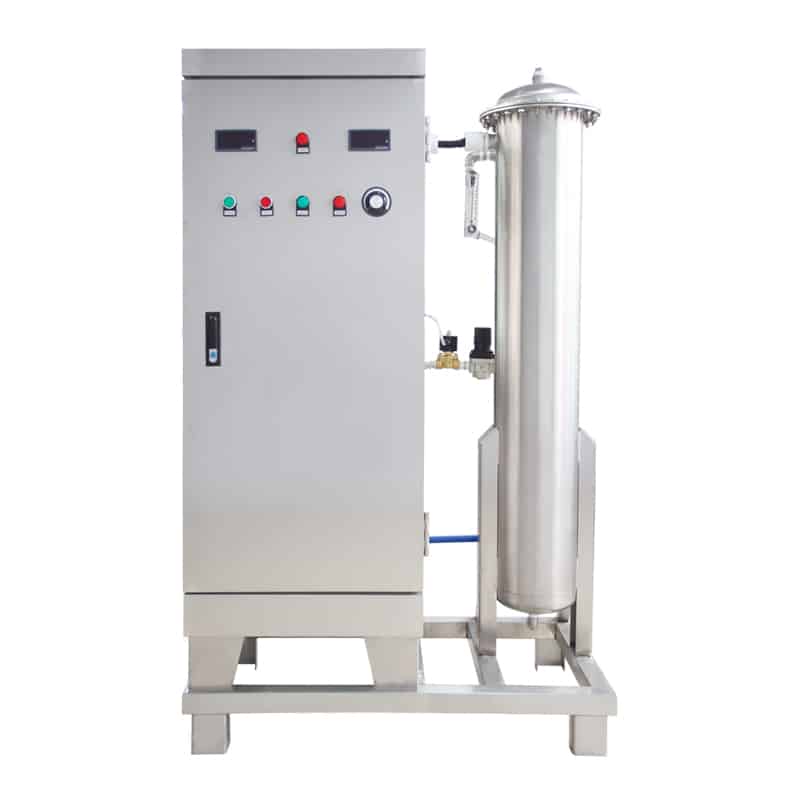
Disinfection
To kill bacteria, viruses and other harmful microorganisms in water, disinfection is usually carried out using chlorine, chloramines, ozone or ultraviolet (UV) light. Of these, chlorine disinfection is the most common method because it provides continuous bacterial inhibition and ensures that the water remains safe during delivery.
Available equipment:
- Sodium hypochlorite generators
- Ozone generators
- Ultraviolet disinfection equipment (UV disinfection)
pH Adjustment & Stabilization
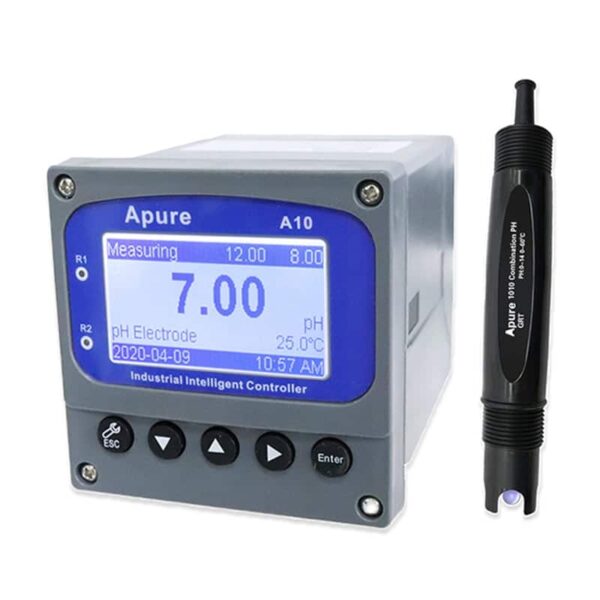
To prevent corrosion of water distribution lines, water plants use lime (calcium hydroxide), sodium hydroxide, or carbon dioxide to adjust the pH of the water to keep it in the proper range. Proper pH not only protects the water supply system, but also improves the taste of the water.
Available equipment:
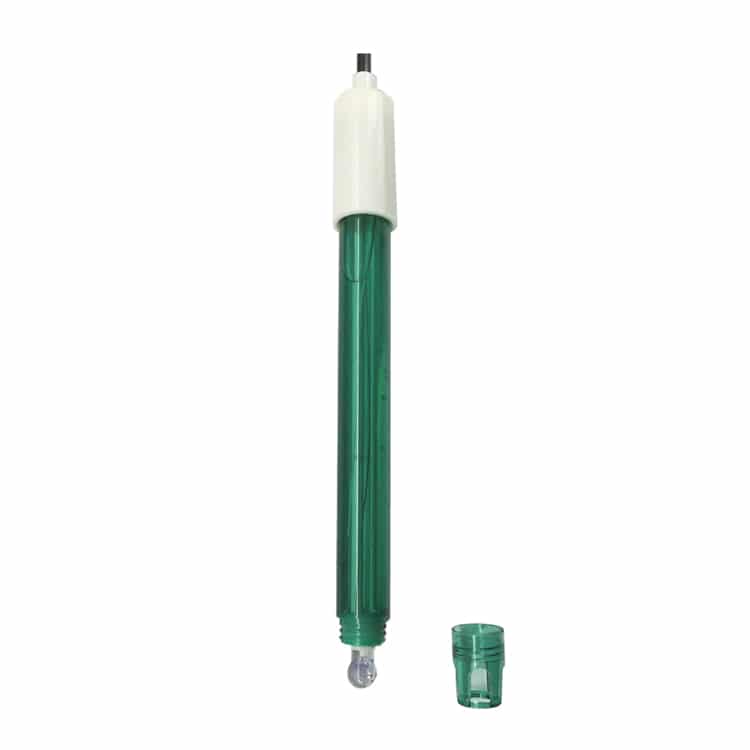
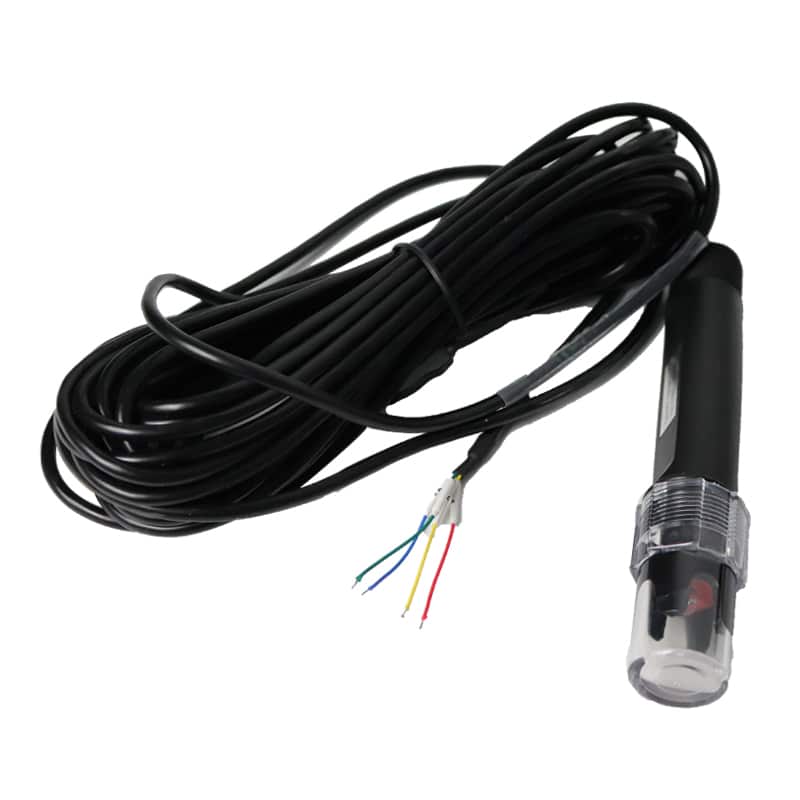
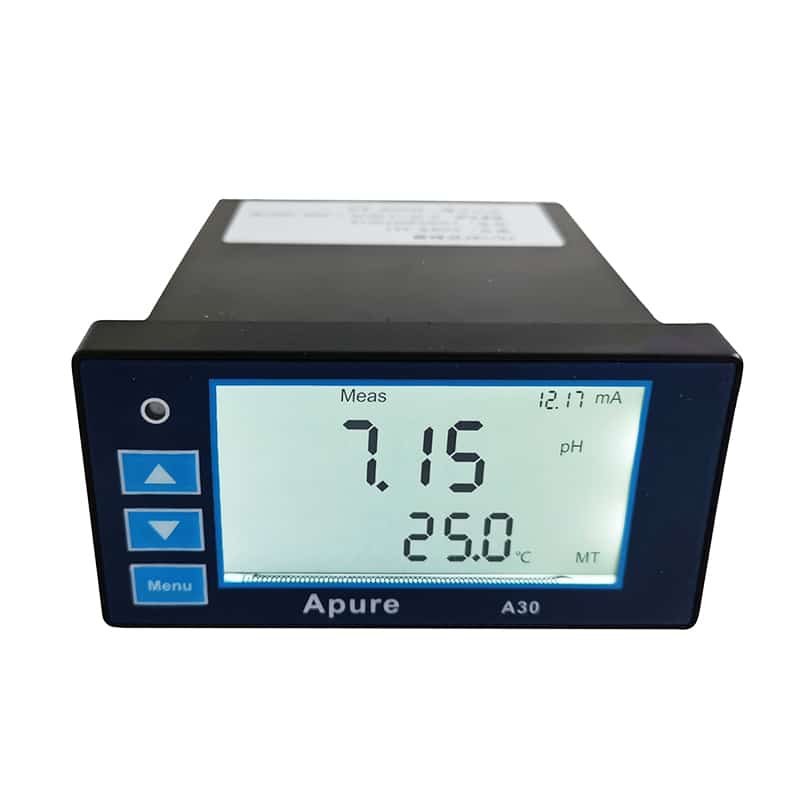
- pH adjustment system (automatic dosing equipment)
- Online pH monitor
Fluoridation (optional)
Some water treatment plants add fluoride to drinking water to help prevent tooth decay. Fluoridation requires strict dosage control to ensure that the fluoride level in the water meets safety standards to protect dental health.
Available equipment:
- Fluoride dosing equipment
- Automatic dosing systems
Storage & Distribution
The purified water is stored in large cisterns or underground tanks and then transported through pipes to homes, schools and businesses. During the delivery process, water quality is regularly monitored by the relevant agencies to ensure the safety of the drinking water.
Available equipment:
- Cisterns
- Secondary water supply pumping stations
- Online water quality monitoring systems
According to the CDC, common water treatment steps include coagulation, flocculation, sedimentation, filtration, and disinfection.
The EPA also explains that advanced treatment technologies such as activated carbon, ion exchange, reverse osmosis, and UV treatment may be used depending on water quality conditions.
What Does Each Water Purification Step Remove?
| Water Purification Step | What It Helps Remove or Control |
| Coagulation and Flocculation | Suspended solids, colloids, fine particles, some organic matter, and turbidity-causing particles |
| Sedimentation | Flocs, settleable solids, suspended particles, and part of the organic load |
| Filtration | Fine particles, remaining turbidity, sediment, some microorganisms, odor, and color |
| Disinfection | Bacteria, viruses, pathogens, algae, and biological contamination |
| pH Adjustment | Corrosion risk, scaling risk, unstable chemical conditions, and poor disinfection efficiency |
| Fluoridation | Low fluoride levels or fluoride imbalance in drinking water |
| Storage and Distribution | Secondary contamination risk, unstable residual disinfectant, pressure changes, and water quality fluctuations |
Monitoring Parameters and Related Equipment
| Step | Recommended Monitoring Parameters | Related Equipment |
| 1. Coagulation & Flocculation | pH, turbidity, flow rate, chemical dosing rate | Chemical dosing system, dosing pump, mixer, pH meter, turbidity sensor, flow meter |
| 2. Sedimentation | Turbidity, sludge level, water level, flow rate | Sedimentation tank, clarifier, sludge scraper, sludge level meter, level transmitter, flow meter |
| 3. Filtration | Turbidity, pressure, differential pressure, flow rate | Sand filter, multimedia filter, activated carbon filter, turbidity sensor, pressure transmitter, flow meter |
| 4. Disinfection | Free chlorine, ORP, pH, flow rate | Chlorine analyzer, ORP meter, pH meter, chlorine dosing system, UV sterilizer, ozone generator, sodium hypochlorite generator |
| 5. pH Adjustment | pH, conductivity, ORP, chemical dosing rate | pH controller, pH meter, conductivity meter, acid/alkali dosing system, dosing pump |
| 6. Fluoridation | Fluoride concentration, pH, flow rate, dosing rate | Fluoride dosing system, dosing pump, chemical storage tank, flow meter, online analyzer |
| 7. Storage & Distribution | Water level, flow rate, pressure, residual chlorine, pH | Clean water tank, distribution pump, level transmitter, flow meter, pressure transmitter, residual chlorine analyzer |
Best Time for Water Purification
After Water Acquisition
The process of water purification is usually carried out after the source water has been extracted to ensure that the raw water obtained from lakes, rivers, groundwater or other water sources meets safe drinking standards. This is because natural bodies of water are often contaminated and must be purified to ensure acceptable water quality.
When a Water Supply Facility is Constructed
After a water supply facility is constructed, to ensure that the entire water supply system provides a clean source of water, the water plant or water purification plant undergoes a comprehensive purification process. These facilities may use a variety of techniques to treat water introduced from various sources to ensure that they meet public health standards.
Emergency Situations
Following certain emergencies or natural disasters (e.g., floods), water sources may become contaminated. At this point, the water purification process becomes particularly important, and a variety of purification technologies are often activated on an emergency basis to restore water quality and protect public health.
Routine Maintenance and Monitoring
Even if the water source itself is relatively clean, water purification facilities require regular maintenance and monitoring to ensure a long-term supply of clean water. The process of water purification is therefore ongoing, especially in response to possible changes in water quality.
Summary
Water purification is a crucial process that removes harmful substances from water and ensures safe drinking water. These seven key steps ensure that water is fully purified from raw water to drinking water. In addition, the use of modern water treatment equipment has dramatically improved the efficiency and stability of water quality management.
Need to monitor water quality in a purification system? Apure provides online pH/ORP meters, turbidity sensors, chlorine analyzers, conductivity meters, flow meters, level transmitters, and integrated monitoring solutions for municipal and industrial water treatment projects. Contact us to select the right instruments for your process.
References
- Centers for Disease Control and Prevention. How Water Treatment Works.
- U.S. Environmental Protection Agency. Overview of Drinking Water Treatment Technologies.