
In wastewater treatment, environmental monitoring, and industrial effluent management, COD (Chemical Oxygen Demand) and BOD (Biochemical Oxygen Demand) are the two most critical indicators for assessing organic pollution in water bodies. They not only reflect the concentration of organic matter in water but also help determine the biodegradability of wastewater, the difficulty of treatment, and potential environmental hazards.
What is the difference between chemical oxygen demand (COD) and biological oxygen demand (BOD)?
Both COD and BOD testing methods are designed to indicate the amount of contamination in a water sample. COD is the amount of oxygen required to chemically break down contaminants, while BOD is the amount of oxygen required for biodegradation by microorganisms.There is a strong correlation between COD and BOD, but COD analysis is a faster and more accurate method.
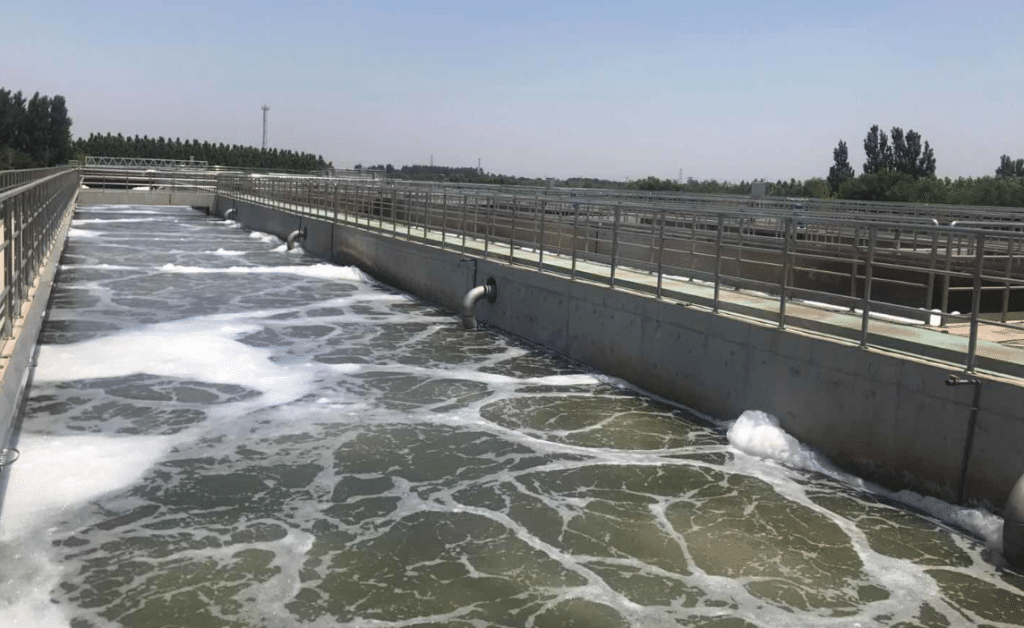
BOD analysis is performed to determine the impact of dirty water containing bacteria and organic material on plant and animal life when released into a stream or lake. Bacteria need to absorb oxygen to break down organic material (pollution) in the water. The test measures the potential for the incoming water to deplete the oxygen in the receiving water due to bacterial activity.
If there are high levels of organic waste and bacteria in the water, it will have a negative impact on the surrounding ecosystem. Low levels of organic waste and less bacteria present means that BOD will be lower and dissolved oxygen levels will be higher. the BOD test consists of obtaining an initial dissolved oxygen (DO) reading and a second reading after 5 days of incubation at 20 °C.
COD analysis, on the other hand, measures the oxygen consumption capacity of a water sample contaminated with organic waste. Specifically, it measures the equivalent amount of oxygen required to chemically oxidize organic compounds in the water and thereby eliminate the contamination. COD is an integral part of all water quality management programs.
Almost all wastewater treatment plants need to measure one of these two items as an indicator of the pollution value in the water. For more water quality indicators and related monitoring equipment for wastewater treatment, please see this article water quality sensors for water treatmet.

COD VS BOD
| BOD | COD |
| BOD is a biological oxidation process | COD is a chemical oxidation process |
| BOD is performed by aerobic organisms | COD is performed by chemical reagents |
| BOD is measured by keeping a sealed water sample for incubation for a period of 5 days at 20 degree Celsius. The reduction in dissolved oxygen gives the amount of oxygen consumed by the aerobic organisms. | In COD test, the water sample is incubated with a strong oxidant in combination with boiling sulphuric acid for a specific period of time and temperature. |
| BOD value is determined by 5 days. | COD can be measured within few days. |
| BOD value is lower than COD | COD value is always greater than BOD |
| BOD is used to oxidize the natural organic matter and organic waste in the water | COD is capable of degrading the industrial sewage. COD does not measure the amount of oxygen consumed by acetates present in the water sample |
| Classification | BOD (mg/l ) | COD (mg/l ) |
| Weak | <200 | <400 |
| Medium | 350 | 700 |
| Strong | 500 | 1000 |
| Very Strong | >750 | >1500 |
In general, there is an approximate proportional relationship between COD and BOD:
- Domestic wastewater: COD/BOD ≈ 2:1
- Industrial wastewater: COD/BOD can reach 5:1 to 10:1 or even higher
(indicating a higher proportion of non-biodegradable substances)
Therefore, the COD/BOD ratio is an important indicator for determining whether the wastewater is suitable for biological treatment:
- Low ratio (≤3): Good biodegradability
- High ratio (≥5): Poor biodegradability or presence of toxic substances
Why must wastewater treatment plants measure COD or BOD?
Whether in municipal wastewater treatment plants or industrial effluent treatment systems, COD and BOD are key indicators for evaluating process performance and determining whether the effluent meets discharge standards.
Their main purposes include:
- Influent load assessment
- Bioreactor (aeration tank) process control
- Effluent compliance monitoring
- Process anomaly detection and early warning
- Environmental regulatory compliance
Most facilities typically adopt the following approach:
- COD is used as a rapid indicator for process control
- BOD is used for monthly or quarterly regulatory evaluation
Conclusion
COD and BOD are two fundamental indicators for assessing the degree of organic pollution in water bodies, each with distinct advantages and disadvantages that play crucial roles in different scenarios. COD is more suitable for rapid monitoring and industrial wastewater control, while BOD better reflects the ecological impact of wastewater after it enters the environment. Using both indicators together enables a comprehensive evaluation of water pollution characteristics and the effectiveness of treatment processes.
Apure is a professional manufacturer of water quality monitoring equipment, specializing in the research and development and production of industrial-grade online monitoring instruments for COD, BOD, pH, ORP, conductivity, ammonia nitrogen, and turbidity. If you are evaluating COD/BOD monitoring solutions, upgrading your online instruments, or need technical selection assistance, our professional team is ready to provide consultation services to help you find the most suitable water quality monitoring solution.
Read more about water quality parameters:
Ammonia in wastewater
Nitrate in water quality
Ammonia vs ammonium
Solution of water pollution