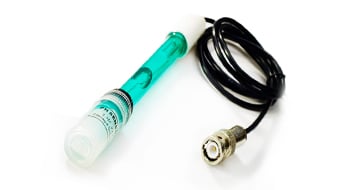
pH ORP Controller & Sensor
pH and oxidation-reduction potential (ORP) are different electrochemical measurements. pH describes hydrogen-ion activity on a logarithmic scale. ORP is the potential difference, reported in millivolts, between an inert measuring electrode and a reference system in a solution. A pH value cannot be converted into an ORP value, and an ORP value cannot be converted into pH.
A pH or ORP controller receives the appropriate electrode signal, displays the result and may provide configured outputs, alarms or control functions. The controller does not make the two measurements interchangeable. Selection must cover the measurement task, electrode and reference system, sample, installation, maintenance, outputs and the documentation for the exact supplied model.
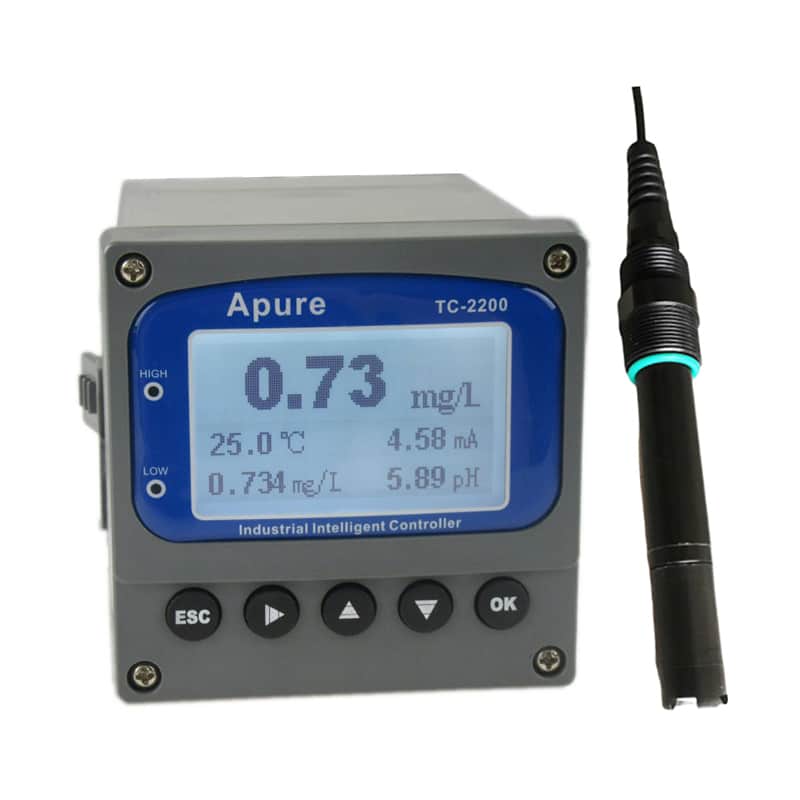
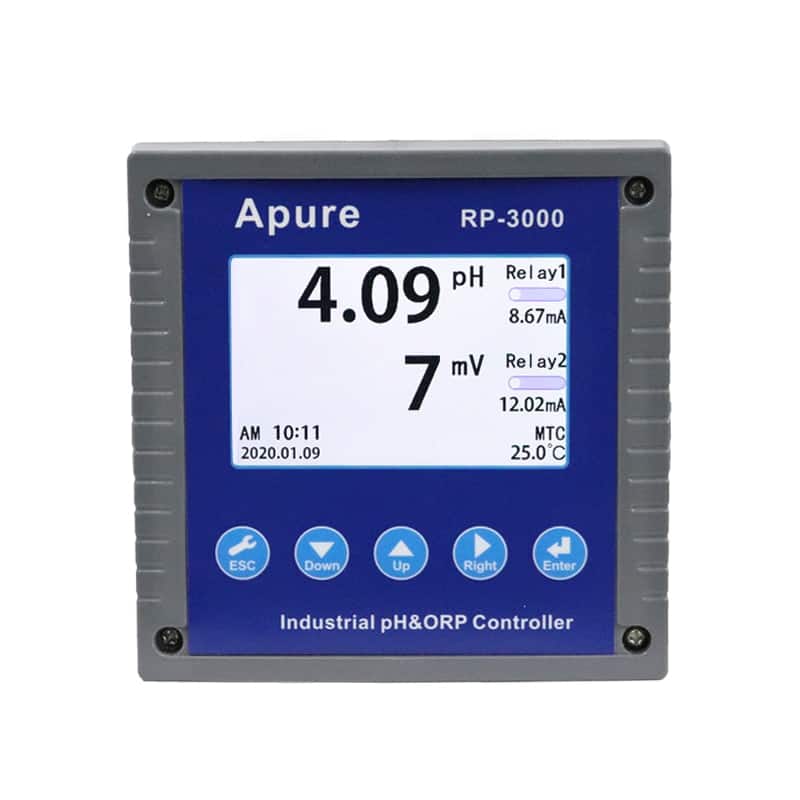
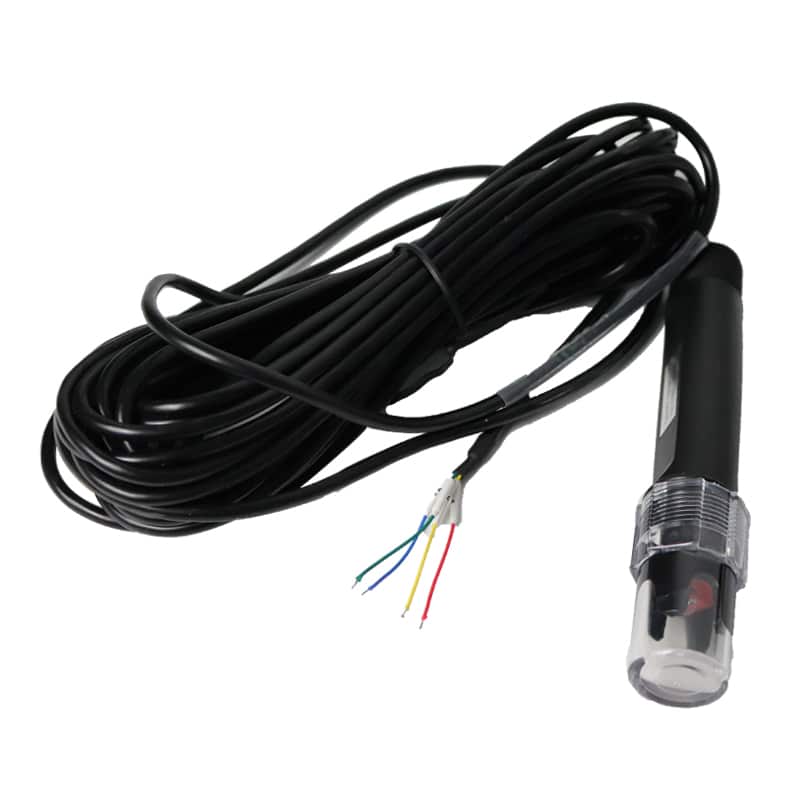
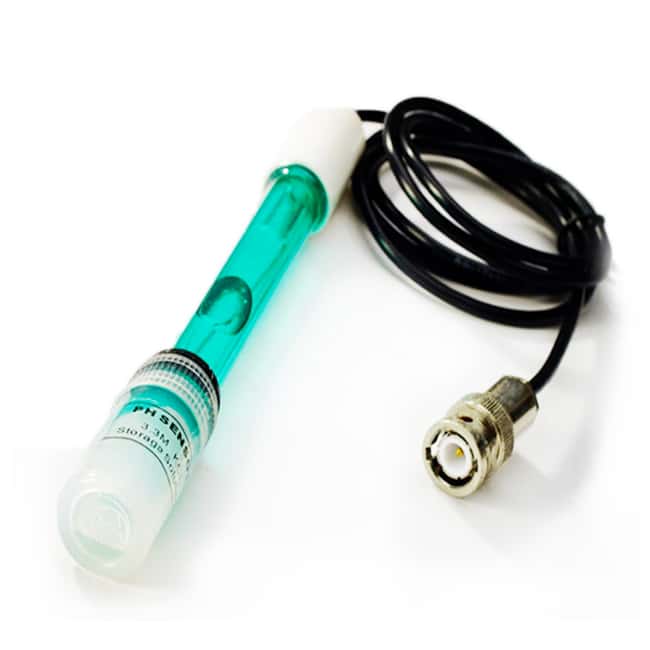
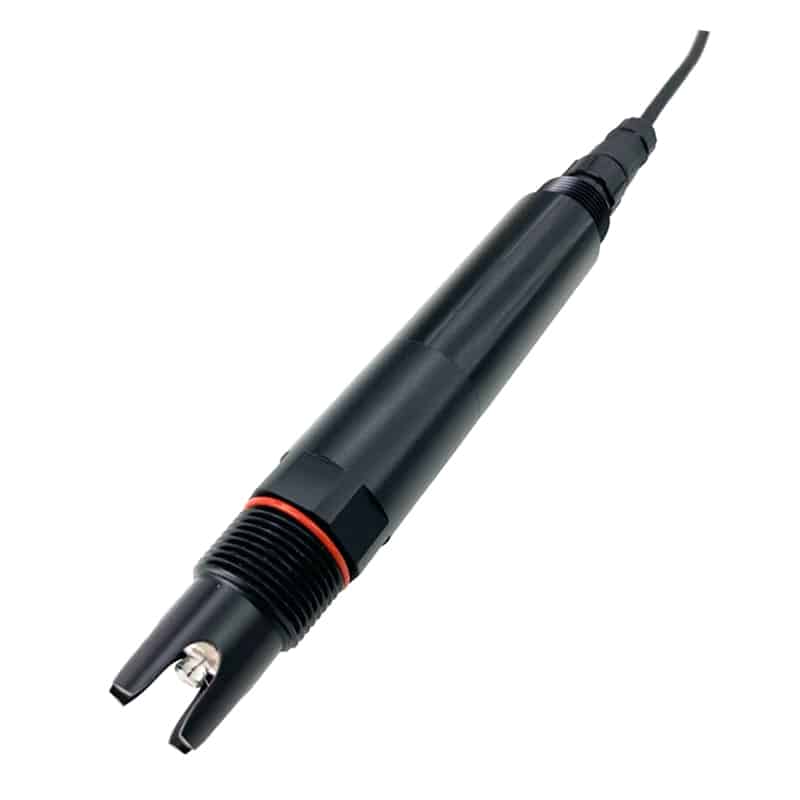
pH vs ORP: what is the difference?
| Question | pH | ORP |
|---|---|---|
| What is measured? | Hydrogen-ion activity through a pH-sensitive measuring system | Electrode potential of the sample’s redox-active system relative to a reference electrode |
| Typical result | pH value | Positive or negative millivolts (mV) |
| Common measuring surface | Hydrated pH-sensitive glass; other pH technologies also exist | Inert metal such as platinum or gold, selected for the application |
| Reference system | Required | Required |
| What can it support? | Acid-base control, reaction condition, corrosion/treatment context and biological/process interpretation | Redox trend, process endpoint or oxidizing/reducing-condition interpretation where the method is suitable |
| What can it not prove alone? | Alkalinity, hardness, contaminant identity, toxicity, complete water safety or total acid/base capacity | Concentration of a specific oxidant/reductant, chlorine residual, dissolved oxygen, pathogen count, toxicity or complete water safety |
pH and ORP may change together in a particular chemical system because some redox reactions involve hydrogen ions. That relationship depends on the actual redox couple, activities, temperature and equilibrium assumptions. It is not a universal pH-to-ORP conversion.
How does a glass pH electrode work?
A typical glass pH system measures a small voltage difference between a pH-sensitive glass measuring electrode and a reference electrode. A combination probe places both functions in one body; separate-electrode systems perform the same roles with two components.
The glass membrane develops hydrated surface layers when correctly conditioned. The potential across the membrane depends on hydrogen-ion activity at the sample-facing and internal surfaces. A high-impedance meter measures the complete cell potential and converts the calibrated response into pH.
The complete measurement path includes:
- the hydrated pH-sensitive glass surface;
- the internal solution and internal reference element;
- the sample;
- the external reference element, electrolyte and liquid junction;
- the cable, connector and high-impedance measuring electronics;
- calibration and temperature information.
A stable display does not prove that every part is working correctly. A dry glass membrane, clogged junction, contaminated reference, wet connector, electrical interference or nonrepresentative sample can produce a wrong but apparently stable value.
How does an ORP electrode work?
An ORP system measures the potential between an inert indicator electrode in the sample and a reference electrode. The indicator surface commonly uses platinum or gold. The sample may contain several redox couples, so the measured value is often a mixed potential rather than the potential of one named compound.
ORP is non-selective. The same millivolt value can occur in different waters for different chemical reasons. A trend can be useful for a defined process, but the reading does not identify the oxidant or reductant and normally cannot be converted directly into its concentration.
Why the ORP reference scale matters
A field instrument may display the potential relative to an Ag/AgCl or another reference electrode. An Eh value is referenced to the standard hydrogen electrode. The reference electrode, filling solution and temperature affect the relationship between the displayed value and Eh.
Record the reference basis when values will be compared between instruments, sites, methods or published criteria. Two instruments can measure the same sample and report different millivolt values if their reference systems or conversions differ.
What pH and ORP can tell you
pH can support
- acid/base dosing and neutralization control;
- interpretation of chemical speciation and treatment conditions;
- corrosion, scaling, coagulation, biological and process investigations;
- comparison with a pH requirement that matches the water use, method and jurisdiction;
- interpretation of parameters whose chemistry depends on pH.
ORP can support
- trends in oxidizing or reducing conditions at a defined monitoring point;
- process endpoint or zone interpretation after the site-specific relationship is established;
- investigation of aerobic, anoxic or anaerobic process changes together with DO and other measurements;
- verification that an ORP measuring system responds to a suitable known solution;
- control or alarms based on a validated process relationship—not a universal water-quality scale.
What pH and ORP cannot tell you
pH alone cannot determine
- alkalinity or acid-neutralizing capacity;
- hardness;
- the identity or concentration of a contaminant;
- drinking-water or ecological safety;
- total acid or base concentration;
- whether a process complies with every applicable requirement.
ORP alone cannot determine
- pH;
- chlorine, ozone, oxygen, sulfide, iron or another species concentration;
- pathogen count or disinfection compliance;
- pollutant identity, toxicity or biodegradability;
- overall water cleanliness or safety;
- the cause of a change without supporting evidence.
pH is not alkalinity or buffering capacity
pH describes the current hydrogen-ion activity. Alkalinity is a method-defined capacity of water to neutralize acid. Two samples can have a similar pH and very different alkalinity, so the amount of acid needed to change their pH can be very different.
Measure alkalinity with a suitable titration method when buffering capacity or dosing demand matters. Do not estimate alkalinity from one pH reading.
Reference electrode, electrolyte and junction behavior
The reference system provides a comparatively stable potential and ionic contact with the sample. In many combination electrodes it contains an Ag/AgCl reference element, a chloride electrolyte and a porous junction. The exact construction, filling solution and junction design are product-specific.
The junction must allow ionic contact without becoming an uncontrolled path for sample contamination. Common failure mechanisms include:
- solids, scale, oil, protein or biological material blocking the junction;
- sample constituents entering and contaminating or poisoning the reference system;
- precipitation where the electrolyte and sample meet;
- depleted, diluted, crystallized or incorrect filling solution;
- pressure or flow conditions that reverse or disturb normal electrolyte movement;
- a diffusion/junction potential that changes between buffer and process sample;
- drying during storage or intermittent process operation.
Single-, double-, annular and open-junction designs address different sample and maintenance needs. A “double junction” is not automatically best for every application, and an open junction does not make a probe immune to contamination. Select the reference design for the sample chemistry, solids, viscosity, pressure and maintenance plan.
Slope and offset: what pH calibration diagnoses
Two or more suitable buffers establish how the electrode system responds across a pH interval. The change in measured potential per pH unit is the calibration slope. The intercept/zero behavior is commonly represented by an offset, asymmetry potential or related instrument diagnostic.
Slope and offset help identify aging, a damaged membrane, reference problems, wrong or contaminated buffers, temperature mismatch or incorrect buffer recognition. They are diagnostic results, not universal pass/fail values. Apply the acceptance limits from the actual method, meter and electrode documentation.
Choose buffers that bracket the expected sample pH where the method permits. Use the correct buffer family and its value at the calibration temperature. A meter configured for pH 4.01/7.00/10.01 must not silently treat 4.01/6.86/9.18 as the same set.
Calibration and verification are different
pH calibration
pH calibration adjusts or fits the meter-electrode response using recognized buffers and the supported procedure. Inspect, clean and condition the electrode first; use fresh uncontaminated portions; allow temperature and readings to stabilize; then review slope, offset and instrument warnings.
pH verification
Verification checks the calibrated system with an appropriate independent solution or reference procedure. Record the as-found and verification results. Do not force an unstable or failed sensor to match a buffer.
ORP verification
An ORP check uses a suitable known solution at the applicable temperature and reference basis to confirm system response. Some instruments permit an adjustment and others treat the solution as a verification only. Follow the exact model procedure. There is no universal 200–275 mV window or one solution value for every ORP standard, temperature and reference electrode.
Set calibration and verification frequency from the method, process risk, fouling, accuracy requirement, check history and manufacturer instructions. Do not impose one daily, weekly or annual interval on every installation.
Temperature: ATC vs actual sample chemistry
Automatic temperature compensation can correct the temperature dependence of the pH electrode response and supported buffer values. It cannot make the sample’s pH independent of temperature. Chemical equilibria in the sample can change with temperature, so report sample temperature with pH when the method or decision requires it.
ORP also depends on temperature through the reference potential, reaction kinetics, electrode behavior and sample chemistry. A generic compensation cannot transform every mixed redox system to one universal reference temperature. Record temperature and, where relevant, pH with the ORP result.
Important interferences and conditions
On a phone, swipe the table sideways to see every column.
| Condition | Measurement affected | Possible effect | Practical check | Mitigation |
|---|---|---|---|---|
| Dry/dehydrated glass | pH | Slow, drifting or biased response | Review storage and check in fresh buffers after conditioning | Hydrate/condition exactly as the electrode instructions specify |
| Coating or fouling | pH and ORP | Slow response, bias or instability | Inspect; compare before/after approved cleaning | Use deposit-specific, material-compatible cleaning and improve service access |
| Clogged junction | pH and ORP | Drift, noise, high junction resistance and sample-dependent error | Inspect junction/fill condition; compare buffer and process response | Clean/refill/replace only under the model procedure |
| Reference contamination or poisoning | pH and ORP | Persistent shift, drift or premature failure | Review sample chemistry and reference design; compare with known-good electrode | Use a compatible junction/electrolyte design; replace when necessary |
| Low ionic strength | pH/reference system | Jumpy or slow response, streaming/junction potential and CO2 sensitivity | Measure conductivity; compare controlled flow/quiescent handling | Use a suitable low-ionic-strength electrode and procedure; minimize air exposure |
| High pH and sodium activity | Glass pH | Sodium/alkaline error depending on glass and sample | Compare with a suitable low-sodium-error electrode/method | Select compatible glass; follow the method limits |
| Temperature mismatch | pH and ORP | Response, reference potential and actual chemistry differ | Record buffer/sample temperature and allow equilibrium | Use supported compensation and report sample temperature |
| Stray voltage/ground loop | Online pH/ORP | Noisy, shifted or unstable process result | Compare a process grab sample; inspect shielding and solution ground | Correct isolation, cable routing, shielding and solution grounding per system design |
| Wet connector/damaged cable | High-impedance signals | Erratic or fixed readings | Inspect and test with known-good components | Keep connectors dry; replace damaged cable/connector |
| Bubbles or incomplete immersion | pH and ORP | Intermittent contact and instability | Inspect sensor position and sample flow | Keep measuring surface and junction wetted at a representative point |
| ORP surface history/fouling | ORP | Slow or shifted mixed potential | Inspect and verify after approved cleaning | Use manufacturer-approved cleaning/polishing and allow stabilization |
| Sample aeration/holding | ORP and weakly buffered pH | Real chemistry changes before reading | Compare in situ/closed flow cell with grab sample | Measure promptly and document sample handling |
Why pH or ORP readings drift, respond slowly or jump
| Symptom | Possible causes | Practical checks |
|---|---|---|
| Unstable/jumping value | Bubbles, incomplete immersion, weak ionic contact, blocked junction, cable damage, wet connector, stray voltage or changing sample | Inspect installation and connector; check conductivity/flow; compare a fresh grab sample and a separate verified system |
| Gradual drift | Coating, reference contamination, electrolyte loss, temperature equilibration, sample change or electrode aging | Trend temperature and process data; check in fresh suitable solution before cleaning/replacement |
| Slow pH response | Dry glass, coating, low ionic strength, cold sample, blocked junction or aging | Review storage; inspect/condition; compare in buffer and representative sample with documented stabilization |
| Slow ORP stabilization | Mixed redox couples, surface history, fouling, temperature change or poor sample contact | Record readings over time; inspect/clean as approved; document drift if no stable value is reached |
| Calibration failure | Wrong buffer family, expired/contaminated buffer, temperature mismatch, damaged glass/reference or incorrect meter mode | Start with correct fresh buffers and verified temperature; inspect full measurement chain |
| Good buffer result but wrong process reading | Junction potential, nonrepresentative grab sample, grounding/noise, coating or process/sample temperature difference | Compare time/location/temperature-matched samples; inspect reference and installation |
| Persistent high or low bias | Offset/reference problem, sodium/acid error, contamination, wrong reference conversion or sample handling | Review raw mV/diagnostics, reference basis, method and a known-good comparison system |
| Sudden step change | Real dosing/process event, loss of immersion, broken glass, cable/connector fault, reference failure or configuration change | Confirm sensor health and process records before acting on the chemistry |
A symptom is not a diagnosis. Check the measurement chain before changing the process.
Application-specific interpretation
| Application | Why measure | Representative-location issue | Supporting measurements | Important limitation |
|---|---|---|---|---|
| Wastewater treatment | Neutralization, biological-zone monitoring, oxidation/reduction process control | Mixing, dosing points, solids, aeration and sample lines can make one point unrepresentative | Flow, temperature, DO, conductivity, ammonia/nitrate, laboratory chemistry | ORP zones/setpoints are process-specific; pH/ORP alone do not prove compliance |
| Drinking/source water | Treatment control, corrosion/coagulation context and source-water trend | Intake depth, season, residence time and sampling system matter | Turbidity, disinfectant-specific method, conductivity, alkalinity, targeted laboratory/microbiology | Neither pH nor ORP alone establishes drinking-water safety |
| Surface/ground water | Acid-base and redox condition at the time/location | Aeration and sample holding can alter weakly buffered pH and ORP rapidly | Temperature, conductivity, DO, alkalinity, iron/manganese/sulfide and targeted lab methods | A single mixed ORP value may not represent equilibrium or identify a species |
| Aquaculture | Acid-base stability and process/tank redox trend | Depth, feeding, aeration, biofilters and diurnal cycles matter | DO, temperature, salinity/conductivity, alkalinity, ammonia/nitrite and species/tank records | No universal pH or ORP target applies to every species and system |
| Industrial/process water | Reaction condition, neutralization, rinse/cleaning and process endpoint | Dosing/mixing delay, pressure, temperature and bypass flow matter | Process chemistry, concentration-specific analysis, conductivity, temperature and flow | A process relationship must be validated for that chemistry and reference system |
How to select a pH or ORP measurement system
Start with the decision—not the model name.
- Define the measurand. Decide whether the task requires pH, ORP or both as separate channels.
- Define the sample. Record expected pH/ORP, conductivity, temperature, pressure, solids, oils, proteins, oxidants/reductants, solvents and cleaning chemicals.
- Choose the measuring technology. Select glass formulation or other pH technology; select the ORP electrode material for the actual redox chemistry.
- Choose the reference system. Match electrolyte, junction design, refill/sealed construction and pressure behavior to the sample.
- Design the installation. Ensure representative mixing/flow, continuous wetting, no trapped gas, safe removal and service access.
- Plan calibration/verification. Identify buffers or ORP check solution, acceptance limits, records and independent checks.
- Check electrical integration. Confirm raw electrode vs conditioned/digital signal, input impedance, connector, temperature element, power, 4–20 mA scaling, RS485 protocol/register map, isolation and grounding.
- Plan maintenance. Define inspection, cleaning, conditioning, storage, reference refill/replacement and evidence-based intervals.
Selection examples at technology level
| Condition | Measurement requirement | Preferred characteristics | Important limitation |
|---|---|---|---|
| Low-conductivity water | Stable pH with minimal junction/streaming error | Reference/junction and procedure designed for low ionic strength; controlled flow and air exposure | Standard-buffer success does not guarantee sample accuracy |
| Coating wastewater | Continuous pH/ORP with service access | Fouling-resistant geometry, suitable junction, retractable/bypass access if required | “Anti-fouling” does not remove cleaning and verification needs |
| High-pH sodium-rich sample | pH with reduced alkaline error | Compatible low-sodium-error glass and validated range | Error depends on glass, temperature and composition |
| Strong redox process | ORP trend or endpoint | Electrode material and reference compatible with the actual redox couple and chemicals | ORP remains non-specific and needs process validation |
| Laboratory samples | Repeatable pH/ORP under controlled handling | Suitable laboratory electrode, clean containers, documented temperature and reference | Laboratory result may differ from online point/time/sample conditions |
APURE pH and ORP products: evidence boundary
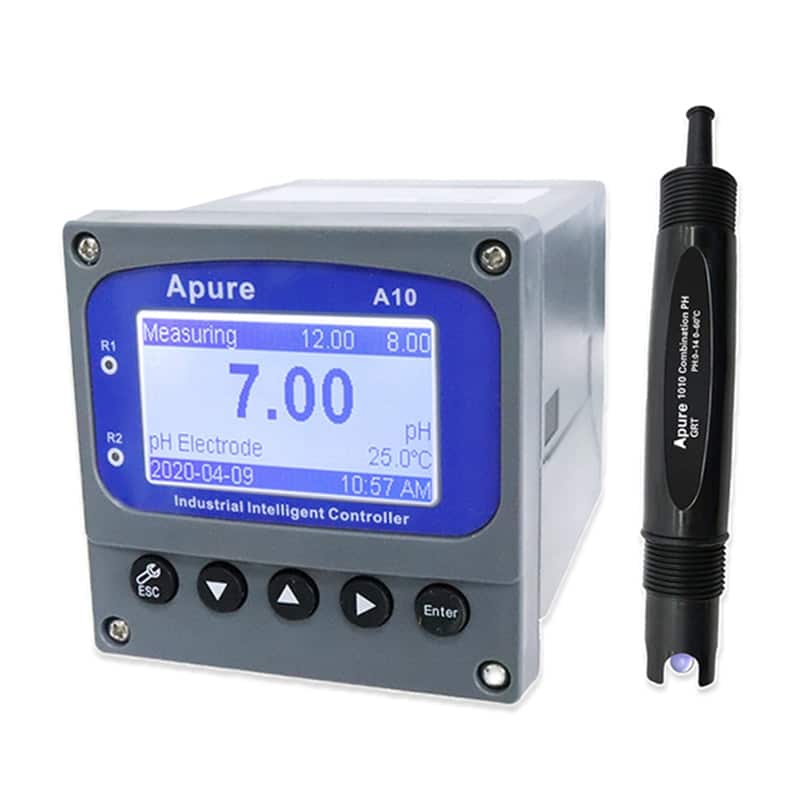
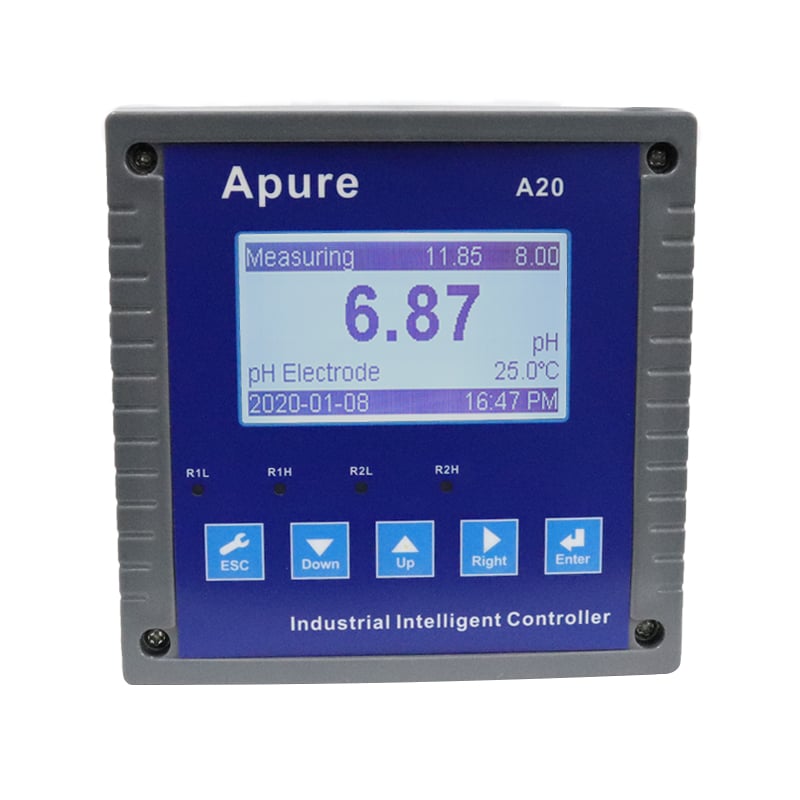
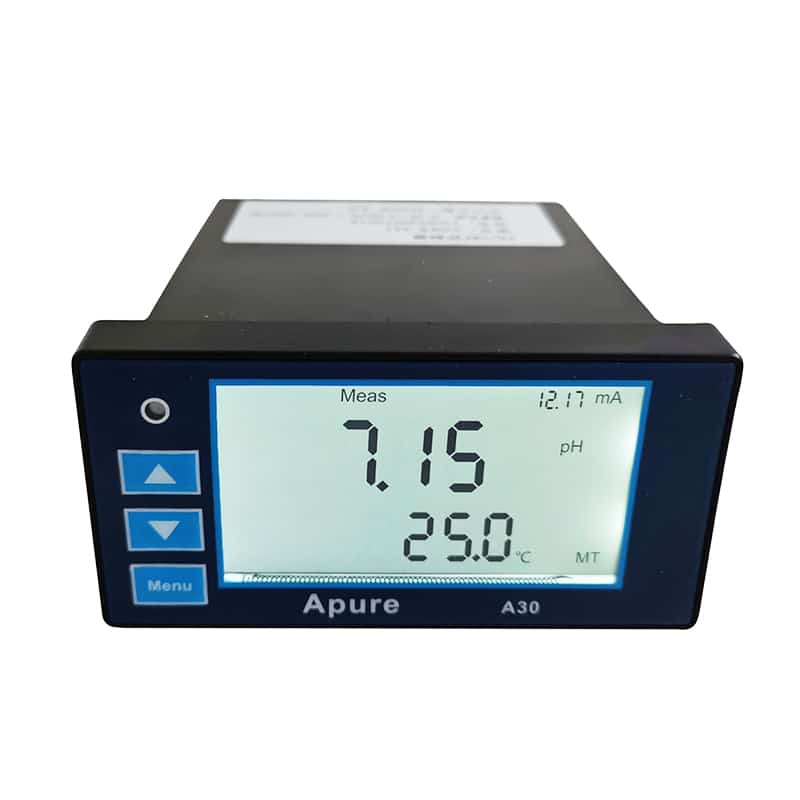
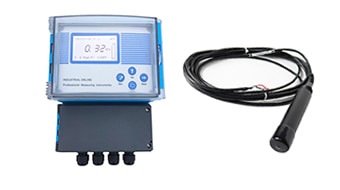
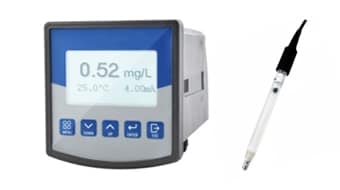
APURE publishes pH/ORP controllers and pH/ORP electrodes, including A10, A20, A30, RP-3000, PHK, E-201 and KPR pages. Use each product page to start a configuration discussion, not as evidence that every listed model has the same range, reference system, accuracy, compensation, protocol or application suitability.
Before ordering, obtain the current approved manual/datasheet and confirm:
- exact model and suffix;
- pH or ORP input mode and channel map;
- measuring-electrode and reference-system construction;
- range, resolution and accuracy conditions;
- temperature element/compensation;
- wetted materials, pressure, temperature and mounting limits;
- calibration/verification procedure and acceptance diagnostics;
- 4–20 mA scaling, relay ratings and digital protocol/register map;
- cleaning, storage and replacement requirements.
No unresolved specification is inferred in this guide.
Frequently asked questions
Can pH be calculated from ORP?
No universal calculation exists. A defined redox couple may have a pH-dependent equilibrium relationship under stated assumptions, but a mixed-water ORP reading cannot be converted generally into pH.
Does a high ORP mean that water is safe or disinfected?
No. A higher value on the same reference basis may indicate more oxidizing conditions, but ORP does not identify the oxidant, measure pathogens or certify safety. Use the named disinfectant method, microbiological method and applicable authority.
Is pH the same as alkalinity?
No. pH describes hydrogen-ion activity at that moment. Alkalinity describes acid-neutralizing capacity under a defined method.
Does ATC correct the sample to pH 25°C?
Not generally. ATC corrects supported electrode/buffer response. The sample’s own pH can change with temperature and should be reported with the measurement where relevant.
How often should a pH electrode be calibrated?
Use the method, risk, fouling, performance history and manufacturer instructions. Verify often enough to detect unacceptable change; do not apply one interval to every application.
Does an ORP electrode require calibration?
It requires a documented performance check. Some instruments permit adjustment and others use a known solution only for verification. Follow the model procedure and the solution’s temperature/reference information.
Why is the online reading different from a grab sample?
The measurements may differ in location, time, temperature, flow, aeration, stabilization, sample handling, electrode/reference design or calibration. Compare time- and location-matched results before adjusting the process.
Can one electrode connect to any controller?
No. Check raw vs conditioned/digital signal, input impedance, connector, temperature element, power, protocol/register map and the approved compatibility list.
Technical references
- USGS — Measurement of pH, National Field Manual Chapter A6.4
- EPA Method 150.2 — pH, Continuous Monitoring (Electrometric)
- NIST — pH Metrology
- IUPAC — Terminology of electrochemical methods of analysis
- EPA — Field Measurement of Oxidation-Reduction Potential, FSBPROC-113-R5 (March 2024)
- USGS — Reduction-Oxidation Potential, National Field Manual Chapter A6.5
Product categories
Related articles
pH Sensors: Working Principle, Selection and Calibration
What is ORP?
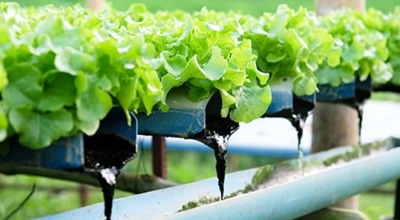
How to maintain ph level for hydroponics
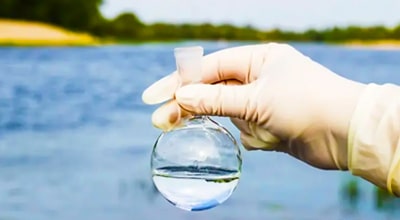
Main water quality indicators
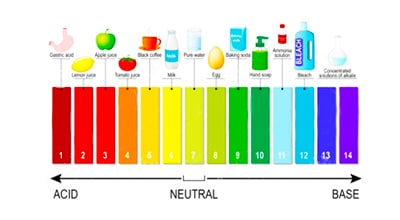
What is pH in water test?
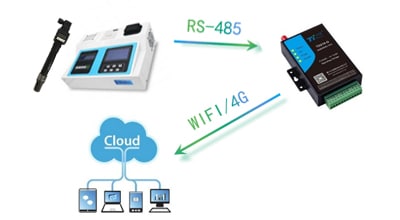
Types of IoT sensors

pH test applications in various industries
How does ph conductivity meter work?
Why is water quality important?
What is conductivity?
What is EC?
What is ec meter?
Difference between conductivity(EC) and TDS
3 Main Water Quality Parameters Types