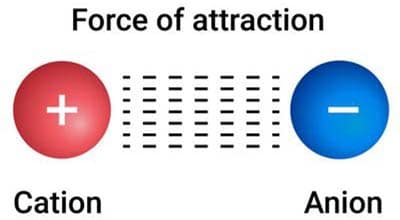
Total Nitrogen Analyzer
Total nitrogen refers to the total content of all forms of nitrogen in a water body (including organic nitrogen, ammonia nitrogen, nitrate nitrogen, nitrite nitrogen, etc.), and is one of the core water quality parameters reflecting the nutritional status and pollution level of the water body. In natural water bodies and receiving water bodies, nitrogen is an important nutrient element that supports the growth of algae and aquatic plants. Therefore, the level of total nitrogen concentration directly relates to whether the water body will experience eutrophication, algal blooms, water turbidity, or even blackening and odorous problems.
In the fields of environmental monitoring and water pollution control, total nitrogen is widely used to assess nitrogen pollution loads in surface water (such as lakes, reservoirs, rivers), drinking water sources, municipal wastewater treatment plant effluents, and industrial wastewater discharges. The water environmental quality standards and discharge standards in various regions usually set limits for total nitrogen to control nitrogen input, prevent the spread of eutrophication in water bodies, and protect drinking water safety and the stability of ecosystems.
In the wastewater treatment process, total nitrogen control is a key objective in the design and operation of denitrification systems, and is often used to evaluate the treatment efficiency of biological denitrification processes (such as A/O, A²/O, oxidation ditch, MBR, etc.) and reverse nitrification filters, etc. Total nitrogen is also frequently combined with parameters such as total phosphorus, ammonia nitrogen, and COD to form a comprehensive water quality evaluation system, which is used to determine the type of pollution source (such as domestic sewage, industrial wastewater, agricultural non-point sources), the migration and transformation laws of pollutants, and the long-term ecological health status of water bodies. In closed or slow-flowing water bodies such as lakes and reservoirs, long-term monitoring data of total nitrogen is of great significance for formulating ecological restoration, source control and pollution interception, and water body management strategies.

Total Nitrogen Analyzer Principle
The typical working process of online or laboratory total nitrogen analyzers can generally be divided into three steps:
Decomposition/Oxidation
Using a strong oxidizing environment (such as potassium persulfate, alkaline heating, ultraviolet irradiation, etc.), all the organic nitrogen, ammonia nitrogen, nitrite nitrogen, etc. in the water sample are oxidized to nitrate nitrogen (NO₃⁻) under high temperature and high pressure.
Conversion and coloration (or direct measurement)
Some instruments convert nitrate into nitrite, and then react with a color-developing agent (such as a diazo reagent) to form colored compounds.
Some instruments directly measure the absorbance of nitrate in the ultraviolet wavelength range.
Optical detection and conversion
The absorbance of the colored solution or nitrate at a specific wavelength (such as 220 nm, 275 nm or 540 nm) can be measured using a photometer or ultraviolet spectrophotometry. Then, the total nitrogen concentration (mg/L) can be calculated based on the standard curve or national standard formula.
Product categories
Related articles
Solution of Water Pollution: 10 Practical Methods
Dissolved Oxygen Probe How It Works?
What Is Municipal Water?

3 Main Water Quality Parameters Types
Radar Level Transmitter Working Principle
Working Principle of Electromagnetic Flowmeter
Industrial Use of Water
RS-485

Iot Water Management

Environmental Monitoring
Agricultural Uses of Water